5 Ways to Reduce Costs on Refrigerated Freight Shipments
Share this article:
Cold freight shipping is essential for food producers, but it can also be one of the most expensive parts of your supply chain. Rising rates, tight capacity and strict temperature requirements make it challenging for small and mid sized shippers to stay profitable. The good news is that many cost saving opportunities are within your control. With the right strategy, you can protect your freight, maintain quality and keep expenses down without sacrificing reliability.
This guide walks through practical ways to reduce refrigerated freight costs while keeping your cold chain strong.

Why Cold Freight Shipping Costs Keep Rising
Across the industry, cold freight costs have increased due to several factors. Refrigerated equipment is more expensive to operate than standard trailers. Fuel costs, maintenance needs and equipment shortages all contribute to higher rates. Seasonal demand spikes and regional weather patterns can also push prices up during busy times of the year.
For small producers, these rising costs can quickly tighten margins. Every shipment matters, and even small inefficiencies add up over time. Understanding why costs increase helps you identify what you can control and where you can find savings.
The key is knowing how to reduce refrigerated freight costs without putting product quality at risk. With smart planning and reliable carriers, you can stay competitive while keeping your cold chain protected.
How Smart Planning Helps Reduce Refrigerated Freight Costs
Planning is one of the simplest and most effective ways to lower cold freight spending. When shipments are scheduled in advance, carriers have more flexibility to secure the right equipment and build efficient routes. This leads to lower rates compared to last minute or urgent bookings.
Planning also helps you avoid accessorial fees. Avoidable charges such as detention, late cancellations, storage or re-delivery can significantly increase your overall freight cost. A structured schedule helps prevent these issues before they happen.
Good planning helps you stay consistent, especially when you ship multiple times per week. Predictable shipping patterns often qualify for better pricing because carriers can plan their networks around your freight. This benefits both the shipper and the carrier.
Optimize Order Size and Scheduling for Better Rates
Order size plays a major role in refrigerated freight cost. Small or partially filled pallets can lead to higher per unit shipping expenses. On the other hand, oversized orders that do not fit efficient load planning can also increase cost.
Finding the right balance helps you gain better rates.
Producers who align shipments with their production cycles often see savings. Instead of sending multiple small orders throughout the week, consider consolidating shipments when possible. Even modest consolidation helps improve trailer utilization, which can lower your cost per pallet.
Scheduling consistency matters too. Regular pickup days allow carriers to optimize route planning. When your freight becomes part of a predictable schedule, it often results in lower pricing, improved reliability and fewer accessories.
For producers shipping frozen or refrigerated goods into or out of Chicagoland, dependable weekly patterns can meaningfully reduce overall cold freight expenses.
Improve Packaging to Maximize Cold Chain Efficiency
Packaging is not only about protection. It also influences cost. Poor packaging can lead to temperature loss, damage or unstable pallets that require rework. Any issue that slows down loading or unloading can create delays that translate into added fees.
Strong, insulated packaging helps your freight stay within temperature range even during short exposures to ambient air. Tightly wrapped pallets hold cold air longer, which can reduce the amount of work a trailer must do to maintain temperature, which is also important when shipping other temperature sensitive products.
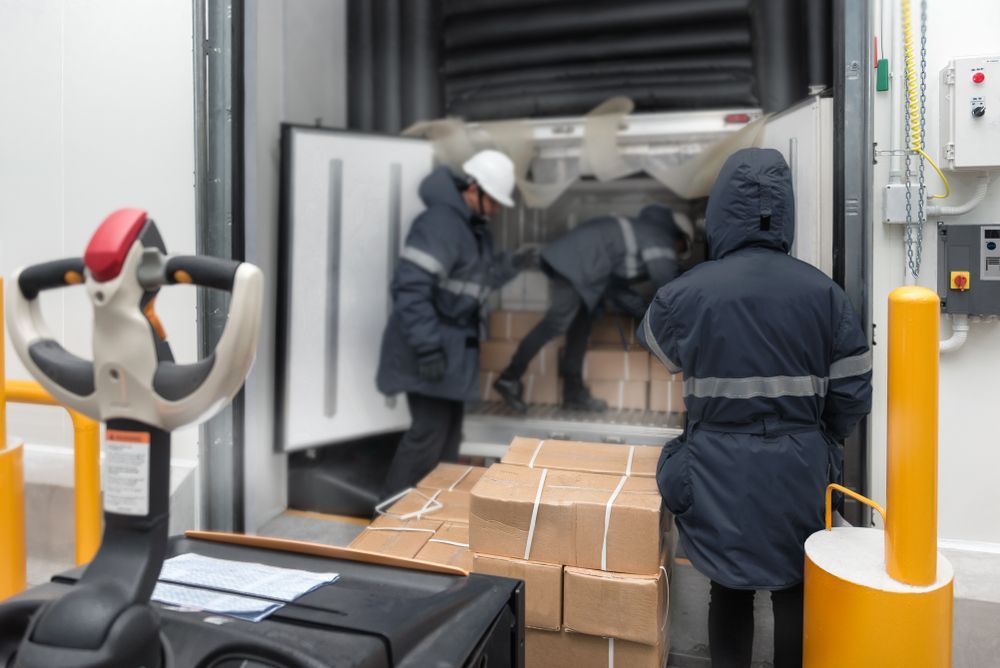
Well built pallets also move faster during pickup and delivery. Faster handling means fewer delays and a lower chance of detention. For small producers shipping several times per week, these small improvements can noticeably reduce costs over time.
Packaging is a cost saving tool when used strategically. The more stable and temperature friendly your pallets are, the more predictable and affordable your cold freight shipping becomes.
Use the Right Mode for Your Cold Freight Shipping Needs
Choosing between temperature controlled LTL and Full Truckload has a significant impact on cost. Each mode has advantages and fits different types of shipments.
Temperature-controlled LTL is often the most economical choice for producers shipping one to eight pallets at a time. You only pay for the portion of the trailer you use, which keeps smaller shipments affordable. This is especially valuable for growing producers who are not yet moving full trailer volumes.
Full-Truckload becomes more cost effective when you have a larger shipment, need tight delivery windows or want the most direct route possible. FTL gives you a dedicated refrigerated trailer with fewer stops and less handling, which can also reduce temperature risk.
Using the right mode at the right time helps you avoid overspending and maintain strong cold chain performance. A knowledgeable carrier partner can guide you toward the option that fits your volume, schedule and budget.
Strengthen Communication to Avoid Extra Charges
Communication has a major influence on refrigerated freight costs. Missed appointments, unclear delivery requirements, inaccurate weights, incomplete paperwork and last minute changes can all lead to expensive accessorials.
Many of these charges are preventable with clear communication. Confirm pickup times, check delivery hours and make sure the receiving team knows when to expect your shipment. Verify product counts before loading and double check temperatures before the trailer leaves your facility.
If a change does occur, communicating early gives your carrier time to adjust. This lowers the chances of missed appointments or redelivery fees.
Simple habits like confirming addresses, reviewing appointment times and giving advance notice can significantly reduce cold freight shipping expenses.
Partner With Experts to Lower Refrigerated Freight Costs
Reducing refrigerated freight costs is much easier when you work with a team that specializes in temperature controlled shipping. Cold chain expertise matters because frozen and refrigerated freight requires precise handling.
Experienced partners help you plan routes, avoid avoidable fees, choose the best mode and maintain strong temperature integrity throughout transit. They also provide visibility tools that help you track shipments and reduce risk.
For small producers, having a trusted partner who understands your business can mean faster solutions, fewer delays and better long term pricing. Consistent service often leads to more efficient shipping and improved cost control.
A knowledgeable carrier partner turns cold freight shipping into a competitive advantage instead of a challenge.
Start Reducing Your Refrigerated Freight Costs Today
If you want to lower your refrigerated freight costs without sacrificing service, K2-Transportation is ready to help. We specialize in frozen and refrigerated shipping for small and mid-sized producers across Chicagoland and nationwide.
Every quote is free and no obligation. Contact us today to start reducing costs and strengthening your cold freight shipping strategy.