The Importance of Minimizing Spoilage During Shipping
Share this article:
Minimizing spoilage during shipping is one of the biggest challenges facing companies that move perishable goods. Whether shipping frozen foods, refrigerated products, or temperature-sensitive items, even small disruptions can result in lost inventory, rejected loads, and unhappy customers. Spoilage does not just affect a single shipment. Over time, it can impact profitability, compliance, and brand reputation.
Preventing spoilage requires more than refrigerated equipment alone. It takes careful planning, proper handling, reliable transportation partners, and real-time visibility throughout the shipping process. By understanding what causes spoilage and how to reduce risk at every stage, shippers can protect product quality from pickup to delivery.
What Causes Spoilage During Shipping?
Spoilage during shipping typically occurs when perishable goods are exposed to conditions outside their required temperature range. This can happen due to incorrect temperature settings, equipment malfunctions, or delays during transit. Even brief exposure to unsafe temperatures can reduce shelf life or make products unsellable.
Improper loading and handling are also common contributors. When freight is loaded too tightly or airflow is restricted, temperatures may become uneven inside the trailer. Frequent door openings during stops can introduce warm air, while poor communication between shippers and carriers can lead to misunderstandings about temperature requirements. In many cases, spoilage results from multiple small issues rather than a single major failure.
Why Minimizing Spoilage During Shipping Matters
Minimizing spoilage during shipping has a direct impact on costs and customer relationships. When products arrive spoiled, shippers face product loss, disposal expenses, and potential chargebacks. Replacing lost inventory can disrupt supply chains and reduce profit margins.
There are also compliance and safety considerations. Many perishable products must meet strict food safety regulations related to temperature control and handling. Failing to maintain proper conditions can result in rejected shipments, regulatory penalties, or recalls. By reducing spoilage, shippers protect not only their products but also their reputation and long-term business stability.
How Temperature Control Reduces Product Spoilage
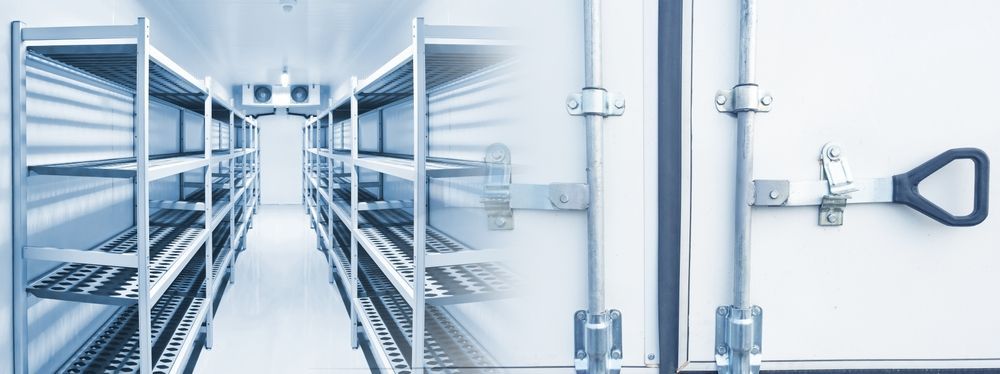
Temperature control is the foundation of spoilage prevention. Refrigerated and frozen shipments must remain within precise temperature ranges from the moment they are loaded until final delivery. Pre-cooled trailers help ensure products are not exposed to temperature shock at pickup.
During transit, properly maintained refrigeration units work continuously to hold consistent conditions. Real-time temperature monitoring allows teams to detect fluctuations early and respond before spoilage occurs. When temperature control is managed proactively, rather than after problems arise, shippers significantly reduce the risk of product loss.
The Impact of Transit Time on Perishable Goods
Transit time is another major factor in spoilage risk. The longer perishable goods are in transit, the greater the chance of delays, equipment issues, or handling disruptions. Even with proper refrigeration, extended transit increases exposure to risk.
Efficient route planning and realistic delivery schedules help reduce time in transit. Limiting unnecessary stops and handoffs also supports better temperature stability. For highly time-sensitive shipments, faster and more direct routes can be critical to maintaining product quality and preventing spoilage.
Packaging and Handling Best Practices to Prevent Spoilage
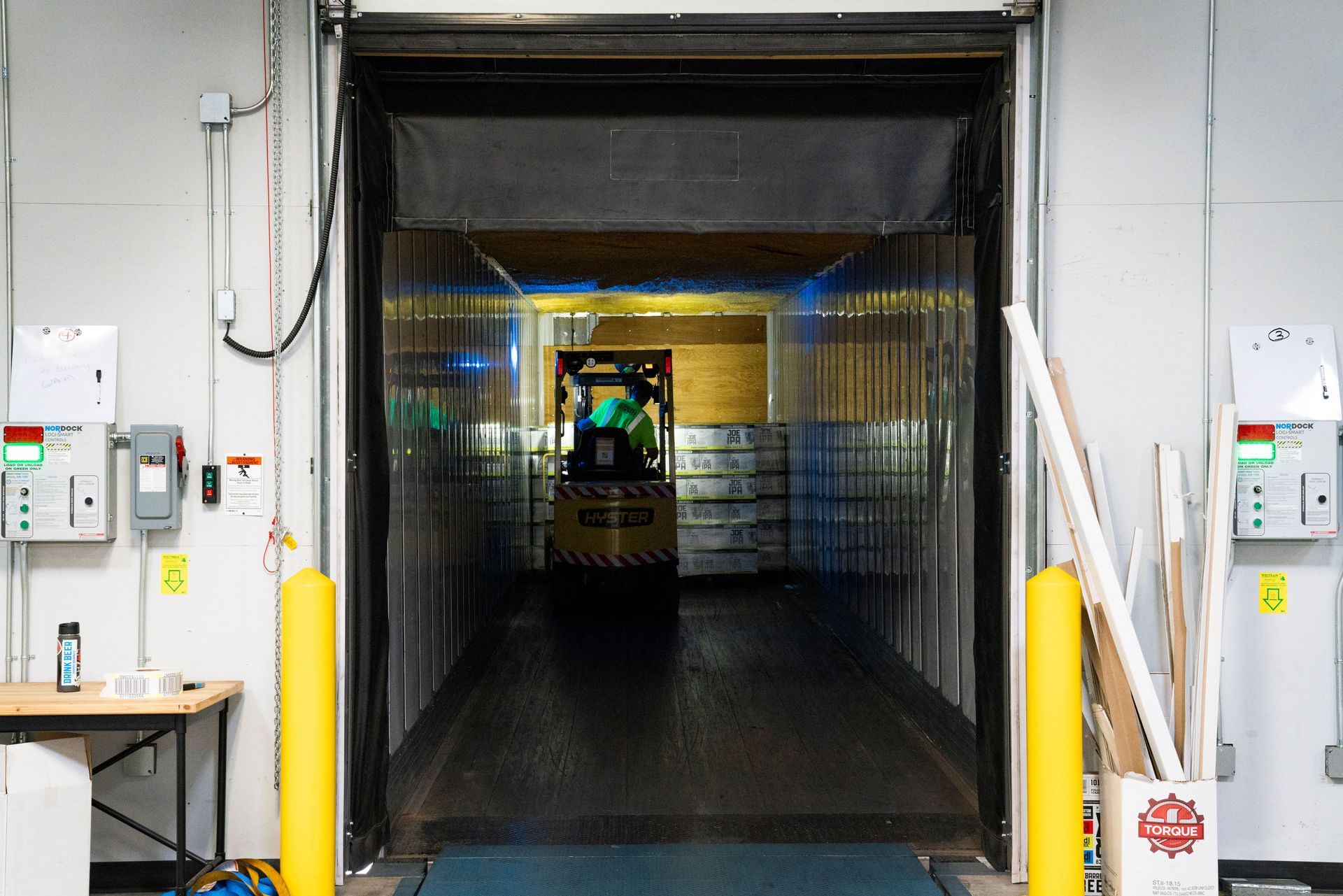
Packaging and handling play an important role in protecting perishable goods during shipping. Packaging should support insulation, airflow, and protection from external temperature changes. Products should be stacked and secured properly to allow cold air to circulate evenly throughout the trailer.
Handling practices are equally important. Reducing loading and unloading times, minimizing door openings, and training personnel on proper procedures all help maintain temperature integrity. When packaging and handling are treated as part of the overall spoilage prevention strategy, shipments are better protected from start to finish.
How Tracking and Visibility Help Prevent Spoilage
Visibility provides shippers with greater control over their shipments. Real-time tracking allows teams to monitor shipment location and transit progress, making it easier to anticipate delays or disruptions. Temperature monitoring adds another layer of protection by alerting teams to potential issues as they happen.
With better visibility, shippers can take proactive steps to prevent spoilage. This might include adjusting delivery schedules, rerouting shipments, or communicating with carriers before problems escalate. Visibility transforms spoilage prevention from a reactive process into a proactive one.
Choosing the Right Shipping Method for Perishables
Selecting the right shipping method is essential for minimizing spoilage during shipping. Less-than-truckload shipping can be a cost-effective solution for smaller refrigerated or frozen shipments, but it requires careful coordination to reduce handling and transit time. Full truckload shipping offers dedicated capacity, which can reduce risk for larger or more time-sensitive loads.
The best option depends on shipment size, temperature requirements, and delivery timelines. By choosing the shipping method that best matches the product’s needs, shippers can balance cost efficiency with product protection and reduce unnecessary exposure to spoilage risk.
Get a Free Quote to Reduce Spoilage in Your Shipments
Minimizing spoilage during shipping requires experience, planning, and dependable transportation solutions. With proper temperature control, optimized transit times, and proactive communication, perishable goods can move safely and efficiently from origin to destination.
Contact K2-Transportation today for a free, non-binding quote. Our team specializes in temperature-controlled LTL and FTL shipping solutions designed to reduce spoilage, protect product quality, and simplify your logistics process.