Understanding the Cold Chain: From Pickup to Delivery

February 11, 2026

Share this article:

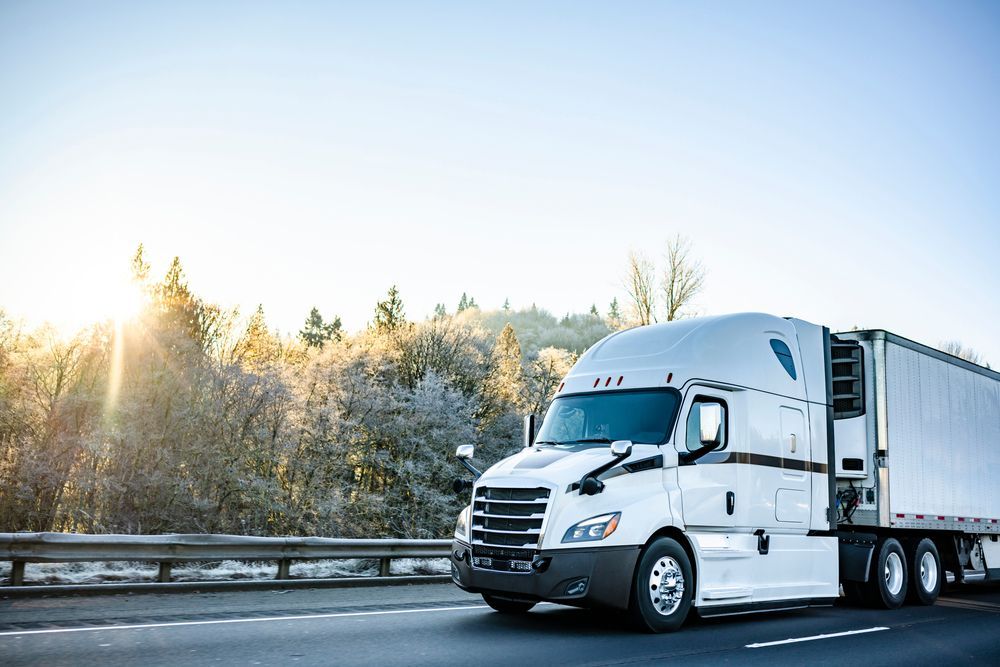
White refrigerated semi truck hauling frozen goods on snowy winter highway with frosted trees.

When shipping frozen or refrigerated products, there is no room for error. A single temperature fluctuation can compromise product quality, reduce shelf life, or create food safety risks. For shippers moving perishable goods, understanding the cold chain is essential to protecting inventory, maintaining compliance, and meeting customer expectations.


The cold chain is more than just refrigerated trucks. It is a coordinated, end-to-end system designed to keep temperature-sensitive products within strict ranges from pickup to final delivery. In this guide, we explain what the cold chain is, why it matters, and how it works at every stage of freight transportation.

What Is the Cold Chain in Freight Shipping?

What is the cold chain in freight shipping? The cold chain refers to the temperature-controlled supply chain that preserves perishable goods throughout transportation, handling, and storage. It combines refrigerated equipment, monitoring technology, trained personnel, and precise logistics planning to prevent temperature deviations.


In freight shipping, the cold chain applies to frozen, chilled, and temperature-sensitive products such as food, beverages, and other perishables. The process begins before a shipment is loaded and continues until the product reaches its final destination. Because even brief temperature exposure can cause damage, every step of the cold chain must be carefully managed and documented.

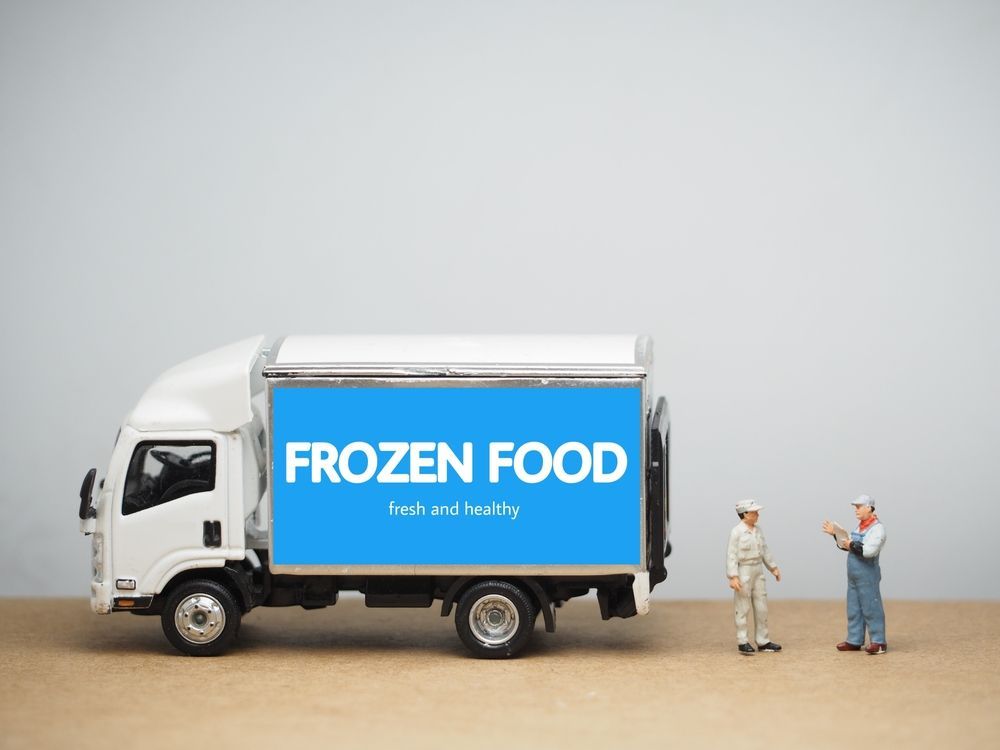
Miniature frozen food truck with two worker figurines on tabletop scene

Why the Cold Chain Matters for Food and Perishables

For food manufacturers and distributors, the cold chain directly impacts product safety, quality, and profitability. Temperature excursions can lead to spoilage, bacterial growth, shortened shelf life, or rejected loads at delivery.


Beyond product loss, cold chain failures can result in regulatory consequences. Many perishable goods must comply with FDA, USDA, and HACCP requirements, which mandate strict temperature control and documentation. A reliable cold chain helps shippers avoid compliance issues while ensuring customers receive safe, high-quality products that meet industry standards.

Key Stages of the Cold Chain From Pickup to Delivery

The cold chain consists of several interconnected stages, each with its own risks and responsibilities. The process starts at pickup, where products are loaded into pre-cooled trailers to avoid temperature shock. Proper loading techniques ensure consistent airflow and even temperature distribution throughout the trailer.


During transit, shipments move along planned routes designed to minimize delays and unnecessary stops. Some shipments may pass through cross-docking facilities or short-term cold storage to support consolidation or just-in-time delivery strategies. The final stage is delivery, where maintaining temperature control until unloading is complete is just as critical as the journey itself. A failure at any stage can compromise the entire shipment.

How Temperature Control Is Maintained at Every Step

Maintaining temperature control requires a combination of equipment, processes, and real-time oversight. Pre-cooled refrigerated trailers are essential to ensure the correct temperature is established before loading begins. Once in transit, continuous temperature monitoring systems track conditions inside the trailer.


GPS tracking adds another layer of visibility by allowing logistics teams to monitor location and transit time. If delays occur, proactive communication helps address potential risks before they impact the shipment. Trained drivers also play a key role by following best practices such as minimizing door openings, monitoring reefer units during stops, and responding quickly to alerts.

Common Cold Chain Failures and How to Avoid Them

Cold chain failures are often preventable. Common issues include equipment malfunctions, improper loading, inaccurate temperature settings, and poor communication between shippers and carriers. Delays caused by scheduling errors or route disruptions can also lead to temperature deviations.


Avoiding these problems starts with preparation and partnership. Clear temperature requirements, reliable equipment, and real-time monitoring significantly reduce risk. Proactive communication ensures all parties understand expectations and can act quickly if conditions change. Working with experienced cold chain providers adds an extra layer of protection against costly disruptions.

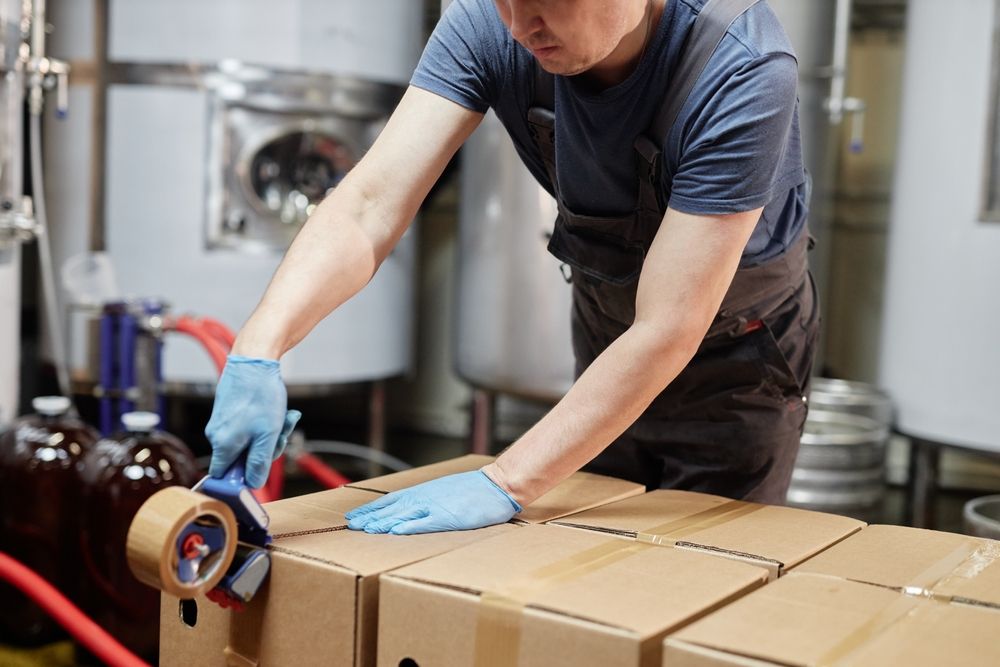
Worker sealing cardboard boxes with tape in food production facility wearing gloves

The Role of Reliable Carriers in Cold Chain Success

Reliable carriers are essential to cold chain success. Experienced drivers understand the importance of temperature control and proper handling throughout transit. They know how to monitor refrigeration units, identify early warning signs, and take corrective action when necessary.


Strong carrier partnerships also mean access to well-maintained equipment and consistent service standards. When carriers follow established protocols and communicate proactively, shippers gain confidence that their temperature-controlled freight is protected from pickup to delivery.

Cold Chain Logistics for LTL and FTL Shipments

Cold chain logistics vary depending on shipment size and urgency. Less-than-truckload shipping provides a cost-effective solution for smaller refrigerated or frozen shipments, while full truckload service offers dedicated capacity for larger or time-sensitive loads.


Both LTL and FTL shipments require careful planning to maintain temperature integrity. Consolidation strategies, optimized routing, and flexible scheduling help reduce handling and transit time. By matching the right cold chain solution to shipment volume and delivery requirements, shippers can balance cost efficiency with product protection.

Get a Free Cold Chain Shipping Quote Today

Managing the cold chain does not have to be complex. With the right transportation partner, frozen and refrigerated freight can move efficiently, safely, and on schedule from pickup to delivery.


Contact K2-Transportation today for a free, non-binding cold chain shipping quote. Our team specializes in temperature-controlled LTL and FTL solutions designed to protect product quality, meet compliance standards, and simplify your logistics process.

A white reefer truck driving on a highway.
By K2-Transportation January 19, 2026
See how reefer trucking works for frozen food shippers, including temperature control, equipment basics, and best practices for cold chain reliability.
A reefer truck with a yellow cab driving on the highway.
By K2-Transportation January 16, 2026
Read how frozen LTL consolidation helps food shippers reduce costs, protect temperature-sensitive products, and streamline cold chain shipping operations.
Multiple refrigerator cargo trucks in a straight row on a parking lot.
By K2-Transportation December 10, 2025
Learn how to reduce refrigerated freight costs with smarter planning, stronger packaging, and better scheduling to keep your cold freight shipping efficient.