Why Food Shippers Use Frozen LTL Consolidation
Share this article:
Shipping frozen food is high-stakes. Temperature deviations, rising freight costs, tight delivery windows, and regulatory pressure all put product quality and customer relationships at risk. For small to mid-sized food shippers, filling an entire truckload is not always practical, yet traditional frozen LTL shipping often introduces inefficiencies and added handling.
That is why more food manufacturers and distributors are turning to frozen LTL consolidation. It offers a smarter way to move frozen freight by combining cost efficiency, improved temperature control, and greater reliability. For shippers looking to protect margins without sacrificing service, frozen LTL consolidation has become an increasingly valuable strategy.

The Cost Challenges of Frozen Food LTL Shipping
Frozen food shipping comes with higher baseline costs than ambient freight. Refrigerated trailers, fuel surcharges, temperature monitoring, and compliance requirements all add up quickly. When shipping smaller volumes, those costs are often magnified.
Standard frozen LTL shipments frequently move through multiple terminals, with repeated loading, unloading, and staging. Each touchpoint introduces added labor costs, longer transit times, and a higher risk of accessorial charges. Detention, re-delivery fees, and temperature-related claims can further erode profitability.
For food shippers managing anywhere from a handful to dozens of orders per week, these inefficiencies make it difficult to forecast transportation spend or maintain consistent margins. Frozen LTL consolidation helps reduce those variables by streamlining how freight moves through the cold chain.
What Is Frozen LTL Consolidation?
Frozen LTL consolidation is a shipping method that combines multiple smaller frozen shipments into a single temperature-controlled truckload. Instead of moving independently through a traditional LTL network, compatible shipments are grouped together based on temperature requirements, destination lanes, and delivery timelines.
This approach allows food shippers to access truckload-style efficiency without needing enough volume to fill an entire trailer. By reducing fragmentation and excess handling, frozen LTL consolidation helps maintain consistent temperatures while improving transit reliability.
For shippers focused on product integrity and predictable delivery, consolidation bridges the gap between standard LTL and full truckload shipping.
How LTL Consolidation Works for Cold Freight
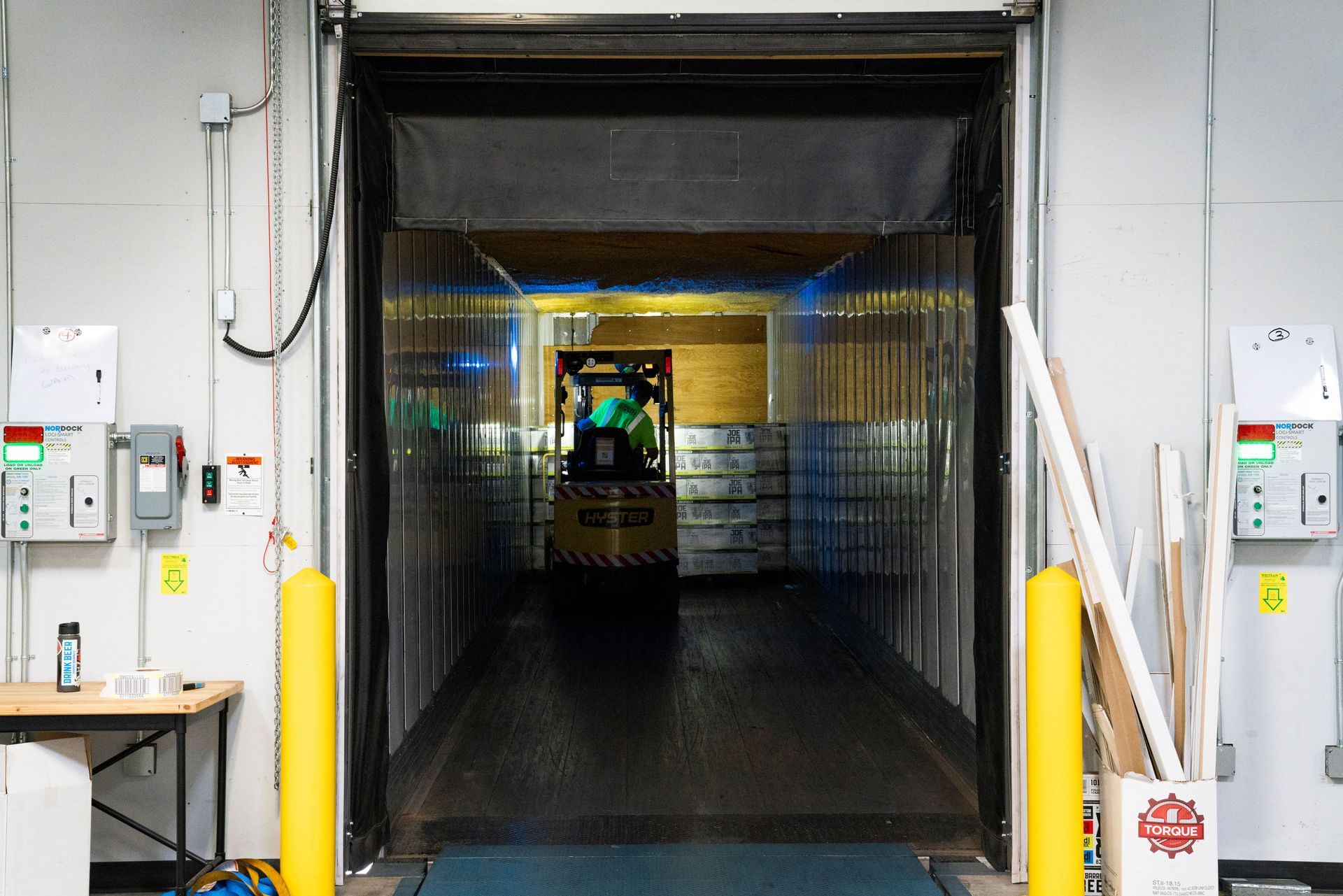
Frozen LTL consolidation starts with planning and coordination. Shipments are reviewed to ensure they share compatible temperature ranges and delivery schedules. Freight is staged at a refrigerated cross-dock or cold storage facility, where it is combined into a consolidated load.
Once assembled, the shipment moves on a planned route designed to minimize stops and transit time. Fewer handoffs mean fewer opportunities for temperature fluctuations or delays. Throughout the journey, temperature and location are monitored in real time, providing visibility and accountability from pickup to delivery.
This controlled process is especially important for frozen food, where even small temperature deviations can impact shelf life, food safety, and customer confidence.
Why Food Shippers Choose Frozen LTL Consolidation
Food shippers choose frozen LTL consolidation because it delivers measurable benefits across cost, service, and risk management. Cost savings are often immediate. Sharing trailer space lowers per-pallet transportation costs compared to standard frozen LTL rates.
Reliability is another major driver. Consolidated shipments move through fewer facilities, reducing the likelihood of delays and missed delivery appointments. This consistency helps shippers meet retailer and distributor requirements while maintaining strong customer relationships.
Consolidation also supports operational flexibility. As order volumes fluctuate due to seasonality or growth, shippers can scale their shipping strategy without overcommitting to full truckloads or absorbing inefficient LTL costs.
Frozen LTL Consolidation vs Standard LTL Shipping
Standard frozen LTL shipping relies on hub-and-spoke networks. While efficient for many commodities, these networks introduce multiple stops and handling points that are not ideal for frozen food. Each transfer increases exposure to temperature variance and service disruptions.
Frozen LTL consolidation uses more direct routing with fewer touchpoints. Freight stays in a controlled environment for longer periods, reducing risk and improving transit predictability. Shippers also gain better visibility into their shipments, rather than relying on limited LTL tracking updates.
For frozen food shippers prioritizing consistency, product protection, and fewer surprises, consolidation offers a more controlled and dependable alternative.
When Frozen LTL Consolidation Makes the Most Sense
Frozen LTL consolidation is a strong fit for food shippers moving consistent but smaller volumes. It works especially well for companies shipping multiple frozen orders per week that do not regularly fill an entire trailer.
It is also ideal for shippers serving regional or nationwide customers from the Chicagoland area, where freight can be efficiently grouped along shared lanes. Businesses experiencing rising freight costs, service issues with traditional LTL carriers, or tighter customer delivery requirements often benefit most from making the switch.
Choosing the Right LTL Consolidation Partner
The success of frozen LTL consolidation depends heavily on the partner managing it. Experience with temperature-controlled freight is critical. This includes proper trailer pre-cooling, continuous temperature monitoring, and strict adherence to FDA, USDA, and HACCP standards.
A reliable partner should also provide proactive communication and real-time visibility, not just status updates after problems occur. Strong carrier relationships, flexible scheduling, and responsive support help ensure frozen freight moves smoothly, even when challenges arise.
For food shippers, the right partner acts as an extension of their operations, protecting product quality and simplifying logistics.
Get a Free Frozen LTL Consolidation Quote Today
Frozen LTL consolidation helps food shippers reduce costs, improve reliability, and protect product integrity without sacrificing flexibility. If you are looking for a more efficient way to move frozen freight, K2-Transportation can help.
Contact us today for a free, non-binding frozen LTL consolidation quote and see how a smarter cold chain strategy can support your business.