How to Ship Frozen Food: A Guide for Small Producers
Share this article:
Shipping frozen food is one of the most important steps in protecting your product and your brand. Whether you produce frozen meals, bakery items, meats, desserts or specialty goods, your success depends on keeping temperatures stable and preventing thawing throughout the entire journey.
A strong frozen shipping process helps you maintain product quality from the moment it leaves your facility to the moment it reaches your customer. It also supports food safety standards and builds trust with buyers who expect consistency. This guide explains how to ship frozen food effectively, especially if you are a small producer looking for reliable and cost efficient solutions that keep your cold chain strong.
Key Takeaways
- Keep frozen food at a consistent temperature. Temperature swings can affect product quality, safety, and shelf life.
- Choose the right shipping method for your load size. LTL works well for smaller shipments, while FTL is better suited for larger loads.
- Use packaging designed for frozen products. Proper insulation and moisture protection help maintain product integrity in transit.
- Precool trailers before loading. Starting at the correct temperature helps protect frozen freight from the moment it is loaded.
- Monitor temperature throughout transit. Real-time tracking helps identify potential cold-chain issues before they become bigger problems.
- Minimize loading and unloading time. Limiting exposure to warmer air helps keep frozen products within the required temperature range.
Why Frozen Food Shipping Matters for Small Producers
For small food businesses, every shipment carries meaningful weight. A single thawed case or damaged pallet can result in product loss, customer complaints and reduced shelf life. These issues cost more than the price of the shipment. They affect brand reputation and customer relationships.
Large brands may be able to absorb the impact of spoilage or temperature issues. Small producers often do not have that flexibility. Losing a pallet of frozen goods can disrupt production schedules and strain budgets.
Consistent frozen shipping protects your revenue and helps you deliver the quality customers expect. When your shipments stay cold from pickup to delivery, your business runs more smoothly and you avoid the setbacks that come with inconsistent transportation. Reliability becomes a competitive advantage.
Understanding the Basics of How to Ship Frozen Food
Before choosing carriers or packaging materials, it helps to understand the core principles of frozen freight. Your shipment must remain at a stable subzero temperature throughout the cold chain. Any time the product warms above its required range, even briefly, the integrity of the food can be affected.
Most small producers rely on temperature controlled Less-Than-Truckload when shipping smaller volumes or mixed orders. This service is ideal for producers who ship only a few pallets at a time. For larger shipments, recurring routes or time sensitive deliveries, Full-Truckload is often the better fit.
Experienced cold chain partners use refrigerated trailers, trained drivers and continuous temperature monitoring to maintain product quality. These elements help create a controlled environment where your frozen goods stay protected through loading, transit and delivery.
Understanding how these pieces work together helps you choose a partner who can support your business as you grow.
Choosing the Right Packaging to Prevent Thawing
Packaging plays a critical role in protecting frozen products. Even with the best refrigerated trailers, your shipment needs insulation and structural support to resist heat during handling, staging and cross docking.
Many producers rely on insulated liners, durable corrugated boxes, pallet wraps and moisture resistant materials. These items help trap cold air inside the load while blocking warmer air from reaching the product. The tighter the packaging, the better the temperature consistency.
If your items are prone to frost, freezer burn or moisture changes, choose packaging that is built specifically for frozen conditions. This helps maintain product texture and appearance. For palletized loads, make sure boxes are stacked evenly and secured with wrap to limit airflow between layers.
Thoughtful packaging reduces both temperature risk and physical damage, making it a key step for small producers who want to maintain product quality during transit.
Maintaining the Right Temperature During Transit
Temperature control is the foundation of frozen shipping. Trailers must be precooled before loading so products move directly into the correct temperature environment. Starting cold gives your shipment immediate protection and minimizes risk during the early stages of transit.
Once the shipment is on the road, continuous monitoring helps ensure the load stays within its required range. Frozen products are especially sensitive to temperature swings. Even a short warmup can cause partial thawing that may not be visible when the product arrives.
Carriers that offer real time tracking give producers confidence and transparency. These tools also support documentation for HACCP, FDA, and USDA compliance. As a small producer, having clear temperature records helps you prove due diligence and maintain customer trust.
Picking a Reliable Carrier for Frozen Shipments
Choosing the right carrier is one of the most important decisions you can make. Frozen shipments require precise handling, consistent communication and dependable schedules. Not all carriers have the specialized experience needed for temperature controlled freight.
Look for partners who understand cold chain requirements and use refrigerated equipment maintained specifically for frozen loads. A reliable carrier will help you plan routes, manage transit times and avoid unnecessary delays that can impact product quality.
For small producers, the right partner becomes a valuable extension of your operation. Clear communication, predictable pickup times and proven cold chain experience help you ship confidently even during seasonal surges or tight production windows.
Preparing Your Shipment for Pickup and Delivery
A successful frozen shipment starts with preparation. Organize pallets before the truck arrives and verify product temperatures while the goods are still in your controlled environment. Make sure all packaging is sealed and labeled clearly.
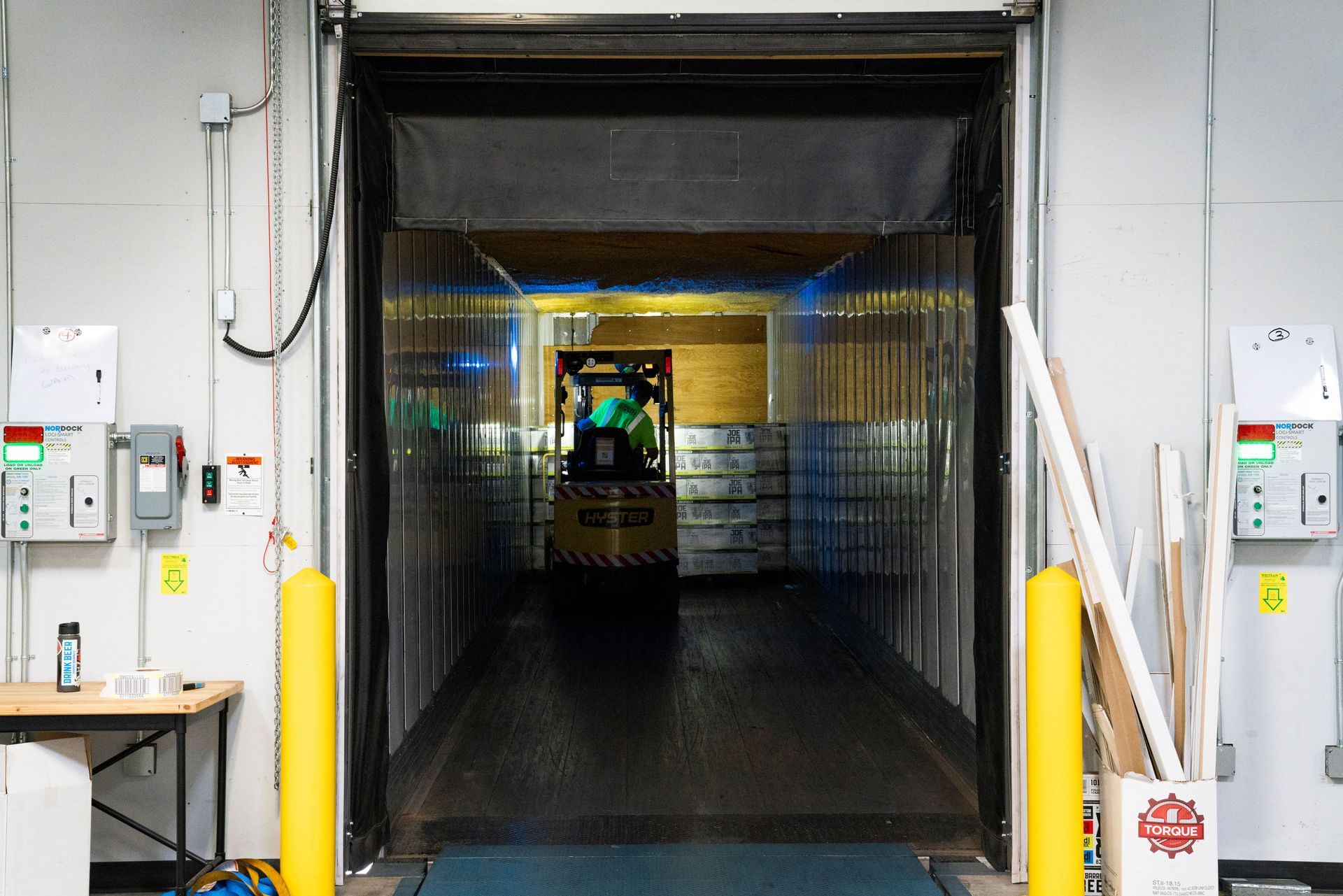
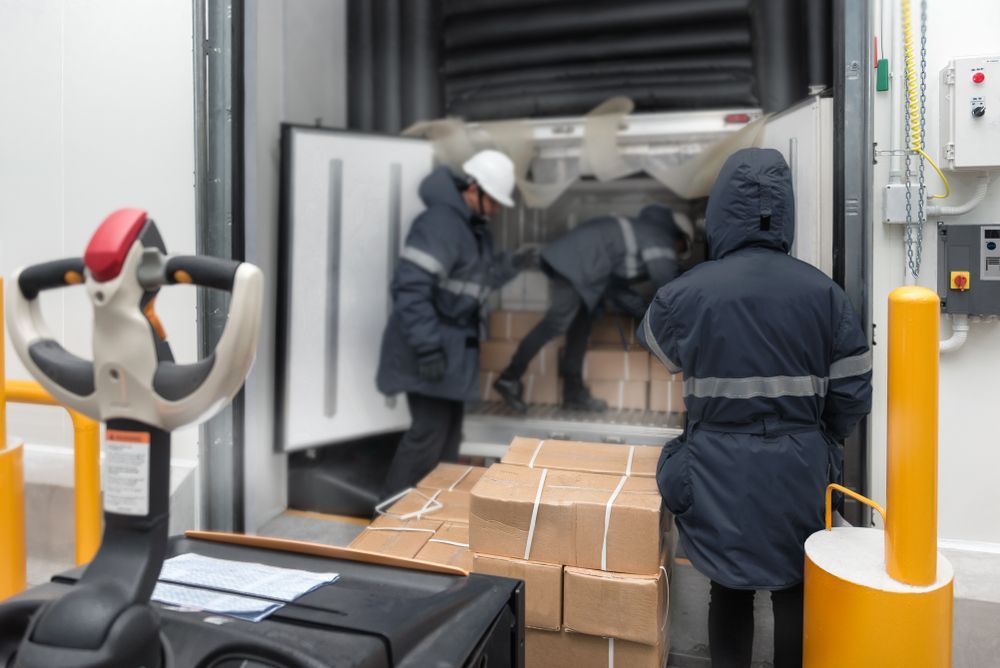
Allow enough time for staging so the product is not exposed to ambient air longer than necessary. When the carrier arrives, efficient loading helps maintain temperature by reducing door-open time. Drivers trained in handling frozen freight will also help ensure best practices are followed.
On the delivery side, communicate with receivers in advance. Confirm that they have the staff and freezer capacity needed to accept your shipment on schedule. Frozen goods can warm quickly during unloading, so having a prepared receiving team helps prevent temperature drift.
Small adjustments like these reduce risks and keep your cold chain intact from start to finish.
Common Shipping Mistakes and How to Avoid Them
Many frozen shipments face challenges because of avoidable errors. Poor packaging, long dock times, incorrect trailer settings and unprepared receiving teams are among the most common issues.
Missed delivery appointments can also expose freight to unnecessary warming. When a shipment arrives at a facility without the right staff or equipment available, the product may sit longer than intended. Every minute spent outside the cold chain increases risk.
Partnering with carriers who specialize in frozen freight, preparing shipments carefully and maintaining clear communication throughout the process are the best ways to avoid these pitfalls. A consistent routine protects your product and helps you ship with confidence every time.
Start Your Frozen Shipping Quote Today
If you want to simplify the way you ship frozen food, K2-Transportation is here to support you. We specialize in temperature controlled freight for small and mid sized producers throughout Chicagoland and across the country.
Every quote is free and completely no obligation. Reach out today and let us help you protect your product, improve your cold chain and ship with confidence.
Start Your Frozen Shipping Quote Today
If you want to simplify the way you ship frozen food, K2-Transportation is here to support you. We specialize in temperature controlled freight for small and mid sized producers throughout Chicagoland and across the country.
Every quote is free and completely no obligation. Reach out today and let us help you protect your product, improve your cold chain and ship with confidence.