Reefer Trucking Basics for Frozen Food Shippers
Share this article:
Shipping frozen food is one of the most demanding areas of freight transportation. Unlike dry goods, frozen products cannot tolerate temperature swings, delays, or inconsistent handling. A single mistake can lead to product spoilage, rejected shipments, regulatory issues, and damaged customer relationships.
For frozen food shippers, reefer trucking is not simply a transportation option. It is a critical component of protecting product quality, meeting food safety standards, and maintaining brand reputation. Whether you ship frozen ingredients, packaged meals, proteins, or desserts, understanding the fundamentals of reefer trucking can help you make better logistics decisions and reduce risk across your supply chain.
This guide covers the essentials of reefer trucking specifically for frozen food shippers, with a focus on how it works, why it matters, and what to expect from reliable carriers.
Why Reefer Trucking Matters for Frozen Food Shipping
Frozen food must remain within strict temperature ranges from the moment it leaves the facility until it reaches its final destination. Even brief exposure to warmer temperatures can affect texture, taste, shelf life, and food safety.
Reefer trucking provides the controlled environment necessary to maintain these temperatures throughout transit. It helps frozen food shippers meet customer requirements, retailer standards, and regulatory expectations. Without dependable reefer service, frozen shipments are exposed to unnecessary risk, including spoilage, claims, and delivery failures.
In today’s market, where customers demand consistency and transparency, reefer trucking plays a key role in protecting both product integrity and business relationships.
What Is Reefer Trucking?
Reefer trucking refers to the transportation of temperature-sensitive freight using refrigerated trailers equipped with independent cooling systems. These trailers are designed to maintain a specific temperature regardless of outside weather conditions.
For frozen food shippers, reefer trucking typically involves maintaining temperatures well below freezing, often at or below zero degrees Fahrenheit. The refrigeration unit operates continuously, even when the trailer is parked or waiting at a dock, ensuring uninterrupted temperature control.
Reefer trucking supports both full truckload and less-than-truckload shipments, making it suitable for shippers with varying volumes, order frequencies, and delivery schedules.
How Reefer Trucks Maintain Temperature Control
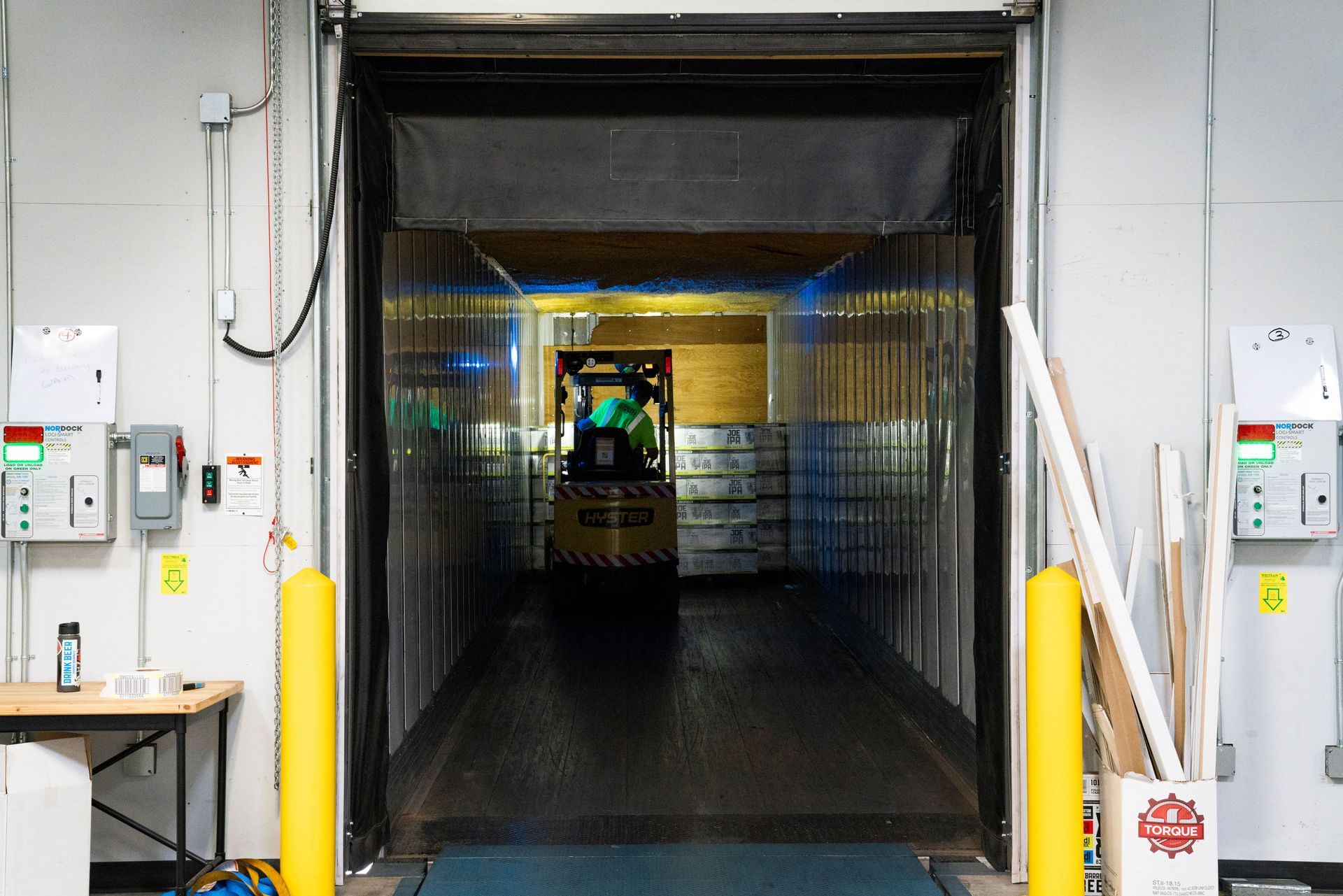
Temperature control starts before the shipment is loaded. Reefer trailers must be pre-cooled to the correct set point so warm air does not impact frozen products during loading. Skipping this step can cause temperature issues before the truck even leaves the facility.
During transit, the refrigeration unit automatically regulates the internal temperature. Modern reefer trailers use sensors and telematics to monitor temperature in real time. These systems allow carriers and shippers to track conditions throughout the journey and address issues quickly if deviations occur.
Proper airflow is also essential. Frozen freight must be loaded in a way that allows cold air to circulate evenly throughout the trailer. Blocking vents, overloading pallets, or improper stacking can create warm zones even when the reefer unit is functioning correctly.
Common Reefer Trucking Mistakes Frozen Shippers Make
One common mistake frozen food shippers make is assuming all reefer carriers operate at the same standard. In reality, equipment quality, maintenance practices, and monitoring capabilities vary widely.
Another frequent issue is improper product preparation. Loading products that have not been fully frozen or failing to verify trailer temperature before loading can lead to problems early in transit. These issues are difficult to correct once the shipment is underway.
Communication gaps also create risk. When temperature requirements, delivery windows, or handling instructions are unclear, small problems can quickly escalate. Frozen food shippers benefit most when expectations are clearly defined and monitored throughout the shipment lifecycle.
Reefer Trucking vs Standard Dry Van Shipping
The difference between reefer trucking and dry van shipping extends far beyond the trailer itself. Dry vans offer no temperature control and are intended for freight that is not sensitive to environmental conditions.
Reefer trucking introduces additional complexity, including higher operating costs, fuel usage for refrigeration units, and stricter handling protocols. However, these added elements are essential for maintaining frozen food quality and safety.
For frozen food shippers, dry van shipping is not a viable alternative. Reefer trucking provides the temperature stability, monitoring, and accountability required to transport frozen goods without compromising product integrity.
When Reefer Trucking Is the Right Choice
Reefer trucking is the right choice whenever temperature directly impacts product quality or safety. This includes frozen foods, ice cream, prepared meals, and temperature-sensitive ingredients.
It is especially important for long-haul shipments, multi-stop routes, and customers with strict compliance requirements. Reefer trucking also supports operational flexibility, allowing shippers to adjust volumes and shipping frequency without sacrificing temperature control.
For businesses that ship frozen products consistently, reefer trucking is not optional. It is a foundational element of a reliable and compliant cold chain strategy.
What Frozen Food Shippers Can Expect from Reefer Carriers
Frozen food shippers should expect more than just a refrigerated trailer. Reliable reefer carriers provide properly maintained equipment, accurate temperature settings, and continuous monitoring from pickup to delivery.
Clear communication is equally important. Shippers should receive real-time updates and proactive alerts if issues arise. Carriers should also understand and comply with food safety standards, including FDA, USDA, and HACCP guidelines.
Strong reefer carriers act as partners, helping shippers protect product integrity, reduce claims, and deliver consistent service to customers.
Get a Free Reefer Trucking Quote Today
Reefer trucking plays a critical role in keeping frozen food safe, compliant, and on schedule. Choosing the right transportation strategy and the right partner can help reduce risk, control costs, and improve delivery performance.
If you are shipping frozen food and need dependable reefer trucking support, K2-Transportation is here to help. Contact us today for a free, non-binding reefer trucking quote and learn how a simpler, more reliable cold chain solution can support your business.