How to Safely Load and Unload Temperature-Sensitive Freight
Share this article:
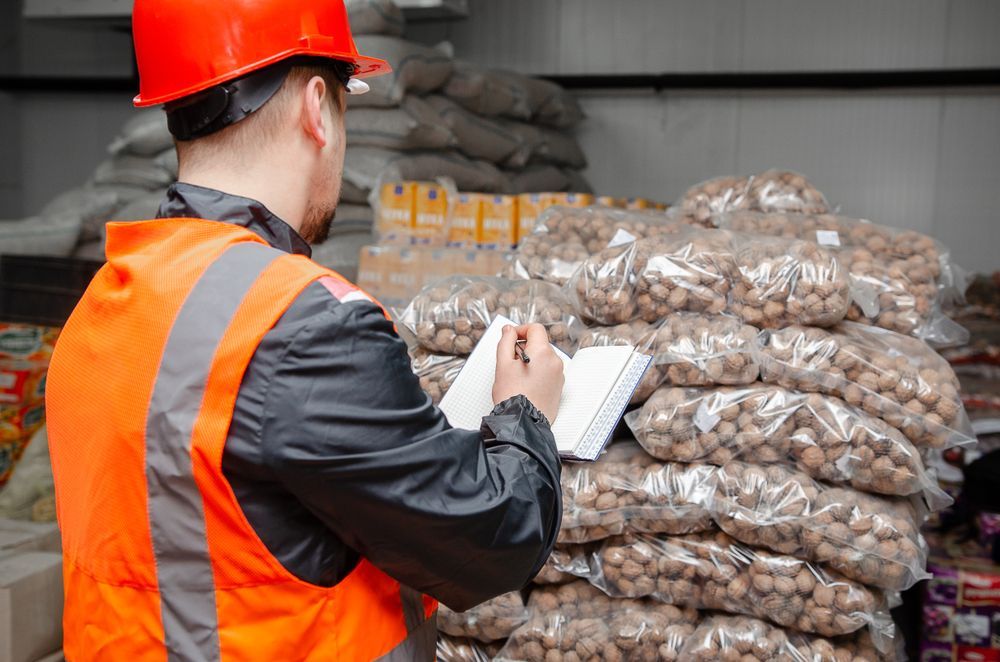
Safely loading and unloading temperature-sensitive freight starts with three steps: verify product and trailer temperatures, limit ambient exposure during transfer, and document temperature and condition at each handoff. Pallets should also be positioned to preserve airflow inside the trailer.
These precautions matter because temperature stability can change quickly at the dock. Delays, open doors, improper staging, or questionable readings can put product integrity at risk. A consistent process helps shippers identify problems before the freight moves farther through the cold chain.
Prepare Freight and Equipment Before the Dock Door Opens
Preparation should happen before loading begins. Confirm that the freight is ready, the trailer has been properly preconditioned, and handling instructions are clear. These checks establish the right starting conditions for
temperature-controlled trucking and reduce preventable delays at the dock.
Verify Product and Trailer Temperatures
Before loading, confirm that the product is within the temperature range specified in the shipping instructions and that the preconditioned trailer is ready for the load. A reefer set point alone does not confirm actual product or trailer conditions. Refrigerated equipment is designed to maintain properly conditioned freight, not correct a load that starts too warm or too cold. If readings or instructions do not align, resolve the discrepancy with the appropriate parties before loading.
Stage Freight to Limit Ambient Exposure
Stage pallets in a temperature-controlled area as close to loading time as practical, and organize the load before opening the trailer doors. Freight waiting on an unrefrigerated dock can gain or lose heat, especially during Chicago’s summer heat or winter cold. Coordinating personnel, pallet-moving equipment, paperwork, and trailer readiness beforehand keeps the transfer moving and reduces unnecessary exposure outside the product’s intended environment, particularly when dock congestion or scheduling delays extend normal wait times.
Protect Temperature Stability During Transfer
Once loading or unloading begins, efficient movement becomes the priority. Products such as
temperature-sensitive organic food shipments can be vulnerable to ambient exposure, so coordinated transfers and proper pallet placement help maintain stable conditions from cold storage to trailer and back again.
Limit Door-Open and Transfer Time
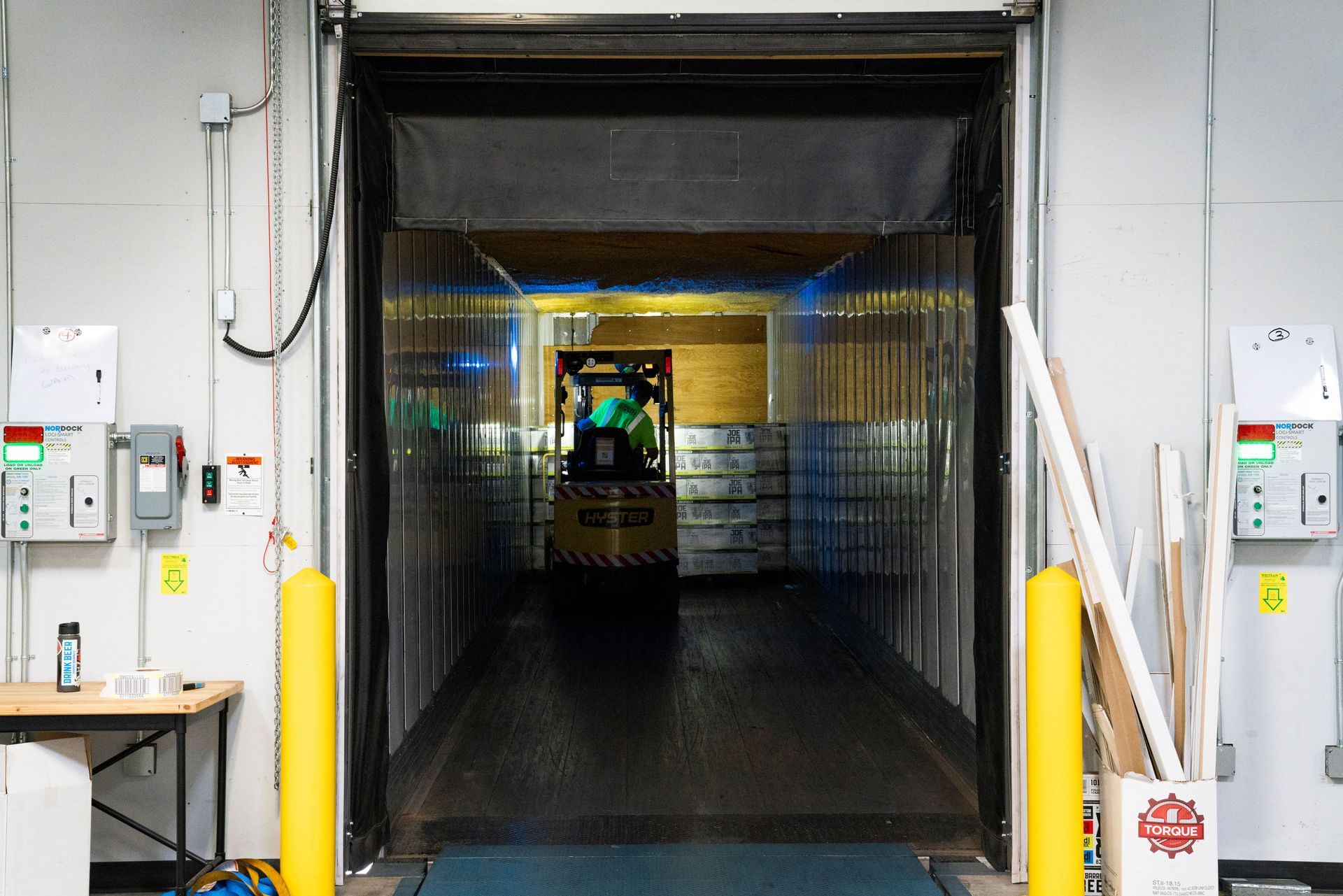
Open trailer doors only when the dock, freight, and handling crew are ready for the transfer. Every unnecessary delay exposes the trailer interior to outside air and can disrupt stable conditions, particularly during extreme heat or cold. Scheduling dock appointments carefully and keeping travel paths clear can shorten transfer time. During unloading, having receiving personnel ready before the doors open also reduces dwell and helps move freight into temperature-controlled storage promptly.
Preserve Airflow During Pallet Placement
A reefer needs unobstructed air circulation to maintain consistent conditions around the load. Pallet placement should account for the trailer’s airflow design rather than focusing solely on available floor space. Freight should not block air chutes or return-air paths, and appropriate clearance from trailer walls should be maintained based on the load configuration. Stable pallet placement also helps prevent shifting that could restrict circulation and contribute to localized warm or cold spots during transit.
Adjust Handling for Refrigerated LTL and FTL Loads
Refrigerated LTL may involve consolidation, additional stops, and more frequent handling than a dedicated FTL shipment. Careful staging and clear handling instructions become especially important because each transfer or door opening can introduce ambient air. Product compatibility also matters when freight shares temperature-controlled trailer space with other shipments.
FTL reduces many of those handoffs, but loading discipline still matters. Pallet arrangement, temperature verification, and unloading sequence should reflect the product and delivery plan. For shippers managing
food and beverage logistics, selecting the appropriate mode means considering shipment size alongside temperature sensitivity, handling frequency, transit schedule, and acceptable exposure.
Plan the Load for Faster, Safer Unloading
Loading decisions at origin can reduce temperature exposure at delivery. Organize pallets around the planned stop sequence so freight needed first can be accessed without moving unrelated product. This is particularly useful for multi-stop loads, where searching for or repositioning pallets can extend door-open time at each destination.
Before departure, confirm that the load plan also accounts for pallet stability, safe access, and the receiving facility’s unloading process. Sharing accurate pallet counts and delivery details in advance can help the receiving team prepare appropriate dock space and handling equipment, keeping the transition from trailer to temperature-controlled storage efficient.
Document Temperature and Condition at Each Handoff
Clear records establish what happened as freight moves between facilities and transportation teams. At pickup and delivery, record relevant temperatures, product condition, and shipment details according to the shipper’s requirements. Documentation may include:
- Product and trailer temperature readings at designated checkpoints
- Visible damage, packaging concerns, or other condition issues
- Seal numbers, timestamps, and applicable shipping instructions
If a reading or condition falls outside the specified parameters, document the discrepancy and any action taken before the freight changes hands. Consistent records create a clearer chain of custody and help teams investigate potential temperature deviations without relying on incomplete information later.
Know When to Stop and Verify Before Proceeding
Some discrepancies should be resolved before freight moves farther through the cold chain. Pause the process if product readings fall outside the specified range, shipping instructions conflict, the trailer has not reached the expected conditions, or visible damage raises concerns about product integrity.
Confirm the correct instructions with the appropriate parties and document the issue and response before proceeding. Loading freight despite an unexplained discrepancy can turn a manageable dock issue into a rejected shipment or temperature claim later. A brief verification at the handoff creates a clearer record and keeps uncertain conditions from following the load to its destination.
Plan Your Next Cold Freight Shipment With K2-Transportation

Safe handling starts before the trailer reaches the dock and continues through the final handoff. K2 Transportation coordinates refrigerated LTL and FTL shipments with attention to scheduling, temperature visibility, and clear communication, backed by more than 30 years of cold chain experience.
Planning the next shipment can start with three steps: share the freight details and temperature requirements, review the transportation plan, and coordinate pickup and delivery expectations. For frozen or refrigerated freight moving into, out of, or beyond Chicagoland,
contact us for a free, non-binding quote and discuss the needs of the next shipment.