Understanding Temperature Requirements for Frozen Freight
Share this article:

Most frozen freight should ship at 0°F (-18°C) or colder, though the exact temperature can vary by product and shipper or receiver specifications. Ice cream and certain frozen desserts, for example, commonly travel at colder temperatures.
Meeting frozen freight temperature requirements also depends on product temperature at loading, trailer pre-cooling, proper setpoints, and monitoring in transit. Each factor can affect product condition and acceptance at delivery.
What Temperature Should You Ship Frozen Freight?
Most frozen food freight should be transported at 0°F (-18°C) or colder. That temperature serves as a common baseline for keeping products frozen during transit, but the correct setting can vary based on the commodity, manufacturer instructions, and receiving specifications. Some products need colder conditions, including ice cream and certain frozen desserts.
The frozen freight temperature requirements for a specific load should be confirmed before pickup and communicated in the shipping instructions. Shippers should also verify that the product has already reached its specified shipping temperature before loading. A refrigerated trailer is designed primarily to maintain temperature during transit, rather than rapidly cool product that enters the trailer too warm.
Temperature Requirements for Frozen Food Products
Frozen Prepared Foods
Frozen prepared foods can include meals, pizzas, appetizers, baked goods, and other products with different ingredients and packaging. Rather than assuming one setting fits every load, use the manufacturer, shipper, or receiver specifications to establish the appropriate transportation temperature and communicate those instructions before the trailer is loaded.
Ice Cream and Frozen Desserts
Ice cream and similar frozen desserts typically need colder transportation conditions than many other frozen foods. Temperatures around -20°F to -15°F are commonly used for ice cream transportation. Because even limited warming can affect texture and product quality, the specified setpoint should be confirmed before pickup and maintained throughout transit.
Frozen Fruits and Vegetables
Frozen fruits and vegetables generally follow the common 0°F or colder benchmark, unless the product or receiving facility specifies a different temperature. Consistent conditions help preserve texture, appearance, and overall quality. Proper airflow around the load also helps refrigerated air circulate throughout the trailer during transportation.
Frozen Meat and Poultry
Frozen meat and poultry should remain at the temperature specified for the shipment from loading through delivery. Maintaining a consistent frozen state limits thawing and refreezing that can affect product quality. Before loading, confirm the product is already at its shipping temperature and record the reading when appropriate.
Frozen Seafood
Frozen seafood is sensitive to thawing and temperature fluctuations during transportation. Even when the trailer is operating at the correct setpoint, loading practices and delays can affect conditions around the freight. Confirm the specified shipping temperature before pickup and minimize unnecessary exposure to warmer air during loading and unloading.
Setpoint Temperature vs. Product Temperature
A reefer setpoint and product temperature measure different things. The setpoint tells the refrigeration unit the target temperature for the shipment, while product temperature reflects the actual condition of the frozen food. The two readings may differ based on storage, loading, airflow, and time spent outside cold storage.
- Setpoint temperature: The operating target entered into the refrigeration unit.
- Product temperature: The temperature measured from the freight at loading, receiving, or another checkpoint.
Refrigerated trailers primarily maintain properly conditioned freight rather than rapidly freeze warm product. A 0°F setpoint therefore does not prove every pallet is at 0°F. Checking and documenting product temperature before loading can identify problems before transit begins.
How to Prepare Frozen Freight Before Pickup
Pre-Cooling the Trailer
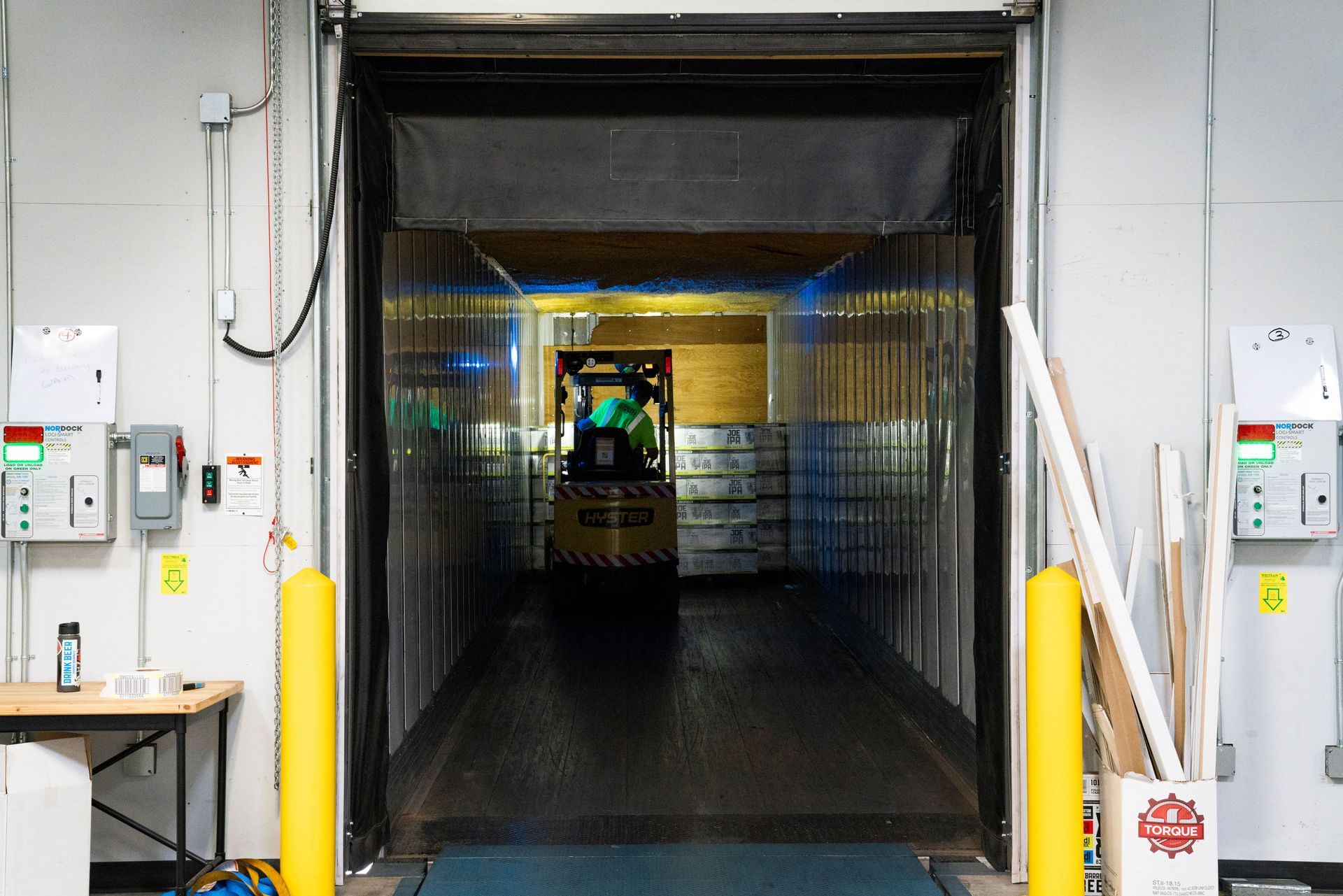
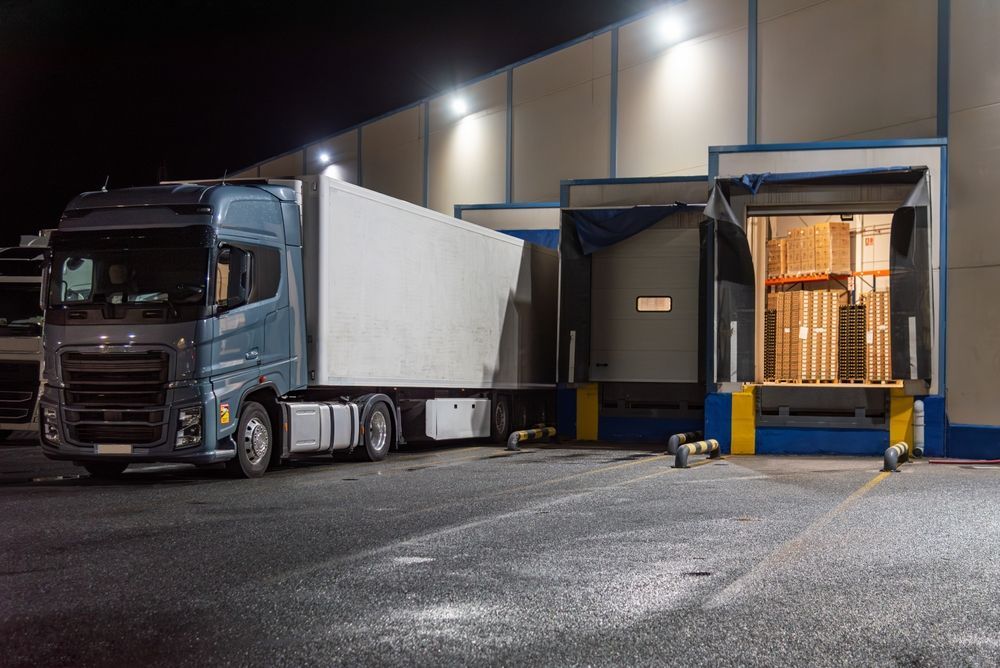
Before loading begins, the refrigerated trailer should be pre-cooled to the specified operating temperature when called for in the shipping instructions. Starting with a warm trailer can expose frozen freight to unwanted heat during loading. Pre-cooling also helps establish suitable conditions before the trailer doors close and transit begins.
Confirming Product Temperature at Loading
Check product temperature before freight enters the trailer and compare the reading with the shipment specifications. If the product arrives at the dock too warm, the reefer should not be relied on to rapidly cool it. Documenting the reading at pickup also creates a useful record if temperature concerns arise at delivery.
Frozen LTL vs. FTL Temperature Considerations
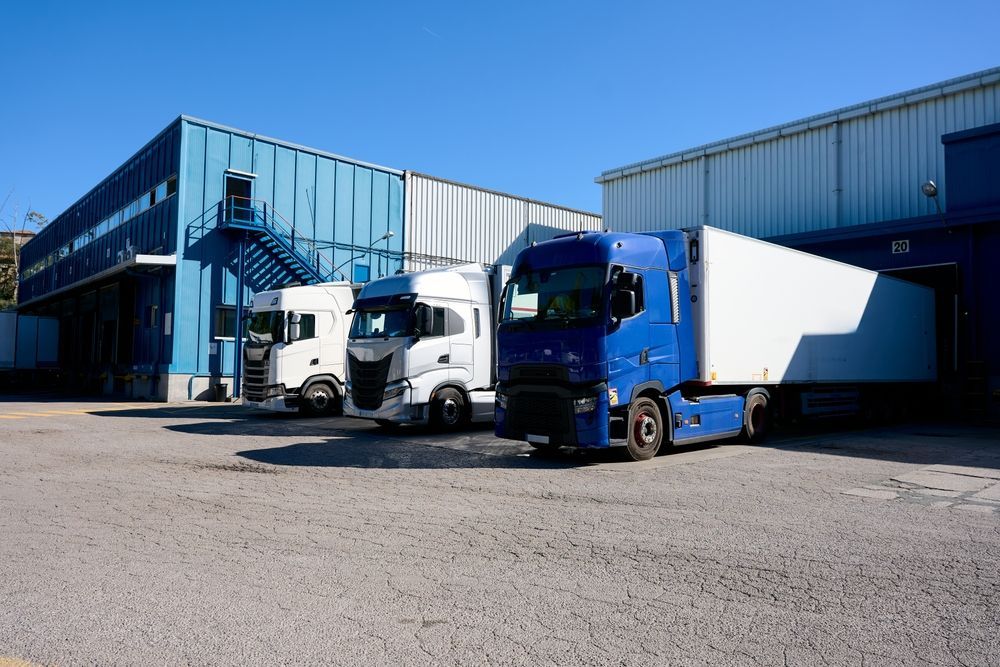
Shipment size, routing, and handling points can influence how frozen freight moves through the cold chain. Choosing the right service depends on freight volume, temperature specifications, delivery timing, and the level of trailer capacity needed.
- Less Than Truckload (LTL): With frozen LTL shipping, freight may share refrigerated capacity with other compatible shipments and encounter additional handling points. Careful scheduling, temperature compatibility, and clear shipping instructions help keep the load on track.
- Full Truckload (FTL): A dedicated trailer reduces consolidation and gives shippers greater control over routing, scheduling, and load configuration. This option often fits larger shipments or loads with tighter timing and handling considerations.
Both methods can move frozen products successfully when matched to the shipment’s specific needs.
How to Monitor and Respond to Temperature Changes
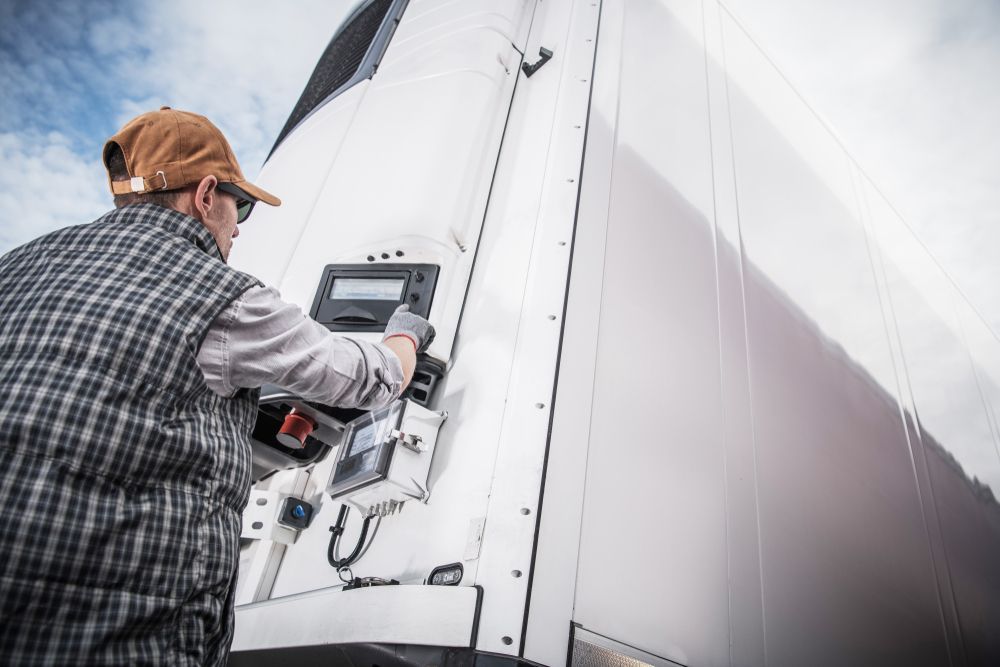
Temperature monitoring creates a record of conditions during transit and can flag unexpected changes before the freight reaches the receiver. GPS and temperature-tracking systems add visibility into shipment conditions, while documented readings can be useful if a temperature concern arises at delivery.
If a temperature excursion occurs, record the timing, duration, and available temperature data, then communicate the issue promptly. A reading outside the specified range does not automatically mean the load is unusable. Product type, the severity and duration of the change, and applicable food-safety procedures all factor into determining the appropriate next steps.
Food Safety Requirements for Frozen Freight
FDA sanitary transportation rules address temperature control, equipment condition, sanitation, loading practices, and communication among parties involved in moving food. For temperature-controlled food and beverage transportation, appropriate operating temperatures should be communicated before pickup, and refrigerated equipment should be prepared for loading according to the shipment’s specifications.
Temperature records can also become important when conditions are questioned during transit or at receiving. If a temperature-control failure may have affected food safety, the product should be evaluated according to applicable procedures before distribution. Clear shipping instructions, documented temperatures, and proper handling practices create a stronger record from pickup through delivery.
Get Pricing for Your Frozen Freight
K2 Transportation coordinates temperature-controlled LTL and FTL shipments for frozen food shippers across the country. From pickup planning through shipment tracking, the focus stays on dependable cold freight transportation and clear communication. Ready to discuss an upcoming load?
Contact K2 Transportation for a free, non-binding frozen freight quote today.