A Guide to FSMA Compliance and Modern Food Shipments
Share this article:
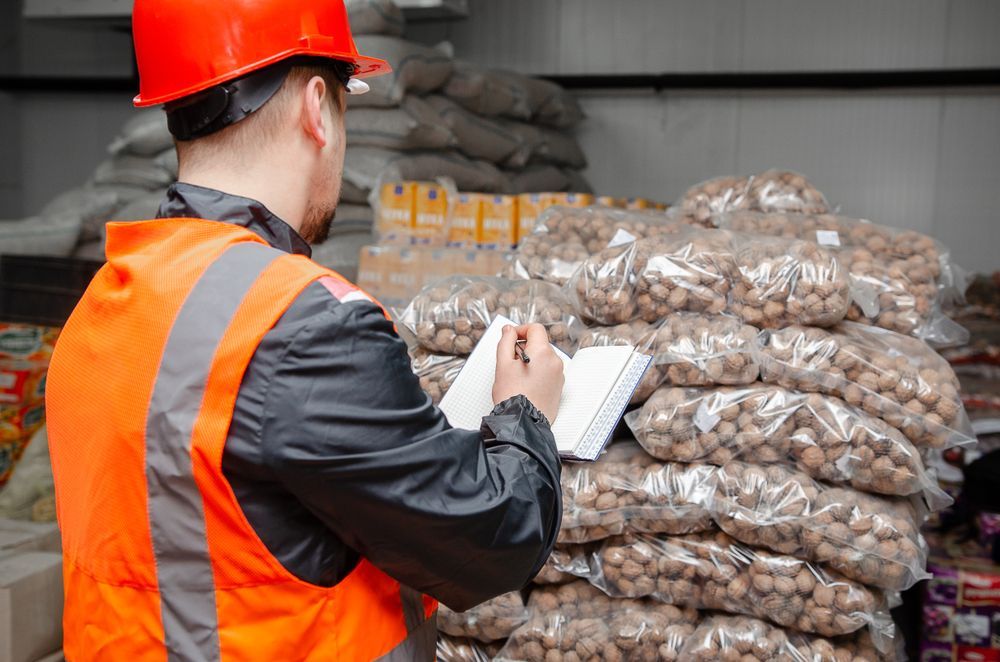
FSMA compliance for food transportation centers on keeping food safe from contamination and temperature-related risks throughout transit. Under the Food Safety Modernization Act FSMA, shippers, loaders, carriers, and receivers have specific responsibilities tied to sanitary equipment, temperature control, handling practices, training, and recordkeeping.
For refrigerated and frozen shipments, that can mean setting temperature instructions in writing, confirming a trailer is clean and properly pre-cooled before loading, monitoring conditions in transit, and keeping records that show how the shipment was handled. Clear responsibilities at each handoff are especially important when a load arrives with a temperature concern or other food safety issue.
What FSMA Requires During Food Transportation
The FSMA Sanitary Transportation Rule sets requirements for moving human and animal food under conditions that protect it from contamination and food safety risks. For refrigerated and frozen freight, this includes suitable transportation equipment, sanitary handling practices, proper temperature control when needed for safety, and clear communication among the parties involved.
In
food and beverage transportation, responsibilities can begin before a trailer reaches the dock. Shippers may need to communicate temperature specifications and sanitary requirements in writing, while loaders verify that equipment is ready for the freight. Carriers also have responsibilities related to sanitary practices, training, and temperature control when those duties apply under the shipment arrangement.
Who Is Responsible at Each Stage of the Shipment?
Responsibility for food safety during transportation is shared across several parties. Under FSMA, the shipper, loader, carrier, and receiver each have defined duties, while written agreements can assign certain transportation responsibilities to another covered party.
Shippers and Loaders
Shippers establish appropriate transportation conditions for the food being moved, including written temperature specifications when temperature control is needed for safety. They may also communicate sanitary requirements based on the product. Before freight is loaded, loaders check that the trailer is suitable for the shipment and in appropriate sanitary condition. For temperature-controlled loads, this can include confirming that the refrigerated compartment has been properly prepared and pre-cooled when needed before the product enters the trailer.
Carriers and Receivers
Carrier responsibilities depend partly on the duties established with the shipper. When responsible for temperature control, carriers follow the specified operating temperature and applicable pre-cooling instructions while maintaining sanitary transportation practices. They may also need procedures covering equipment cleaning and temperature control. Receivers play an important role at delivery by assessing the shipment before acceptance when there are signs of a possible temperature failure or other condition that could affect food safety.
Temperature and Sanitation Standards in Transit
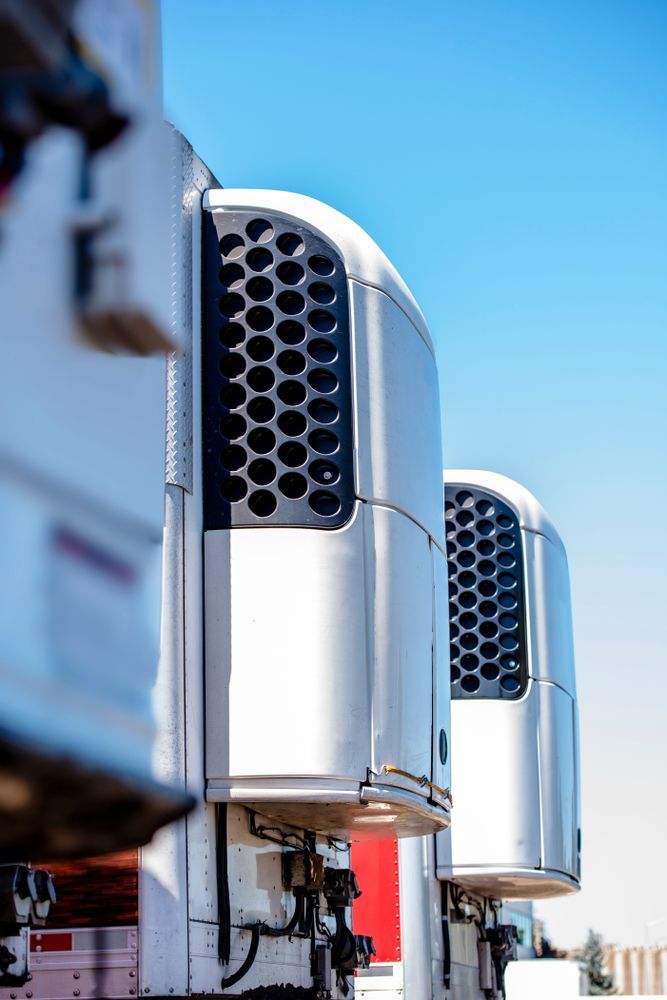
Temperature control and sanitation work together to protect refrigerated and frozen food during transit. Proper operating temperatures reduce food safety risks, while sanitary equipment and handling practices limit exposure to contamination. Both depend on clear shipment instructions and suitable trailer conditions from loading through delivery.
Temperature Specifications and Pre-Cooling
Shippers should communicate the required operating temperature in writing when temperature control is necessary for food safety. Those instructions may also specify pre-cooling before loading. Pre-cooling brings the refrigerated compartment to the appropriate condition before temperature-sensitive products enter the trailer. Checking the set point and trailer temperature before loading can also catch conflicting instructions early, reducing the chance of temperature concerns or disputes at delivery.
Trailer Cleanliness and Loading Conditions
A food-safe trailer should be inspected for conditions that could contaminate the shipment, including residue, debris, pests, odors, or concerns related to previous cargo. Product compatibility and separation can also matter when different foods share transportation equipment. Safe
loading and unloading temperature-sensitive freight practices should limit unnecessary exposure to unsuitable temperatures while maintaining sanitary conditions. These checks create another layer of protection before refrigerated or frozen products begin the next stage of transit.
What Records Matter for FSMA-Compliant Shipments
Good records create a traceable account of shipment instructions and handling if a food safety concern arises. Depending on each party’s responsibilities, relevant transportation records may include:
- Written specifications: Operating temperatures, pre-cooling instructions, and sanitary requirements communicated for the load.
- Agreements and procedures: Written assignments of responsibilities plus applicable cleaning, sanitation, and temperature-control procedures.
- Training records: Documentation of required carrier personnel training when the carrier has applicable sanitary transportation duties.
- Temperature evidence: Available time-temperature data or other agreed methods used to demonstrate conditions during transit.
Separate FSMA 204 recordkeeping requirements apply to certain foods and traceability activities, so they should not be confused with sanitary transportation records.
Choosing a Carrier for FSMA-Regulated Food Shipments
Selecting a carrier for regulated food freight involves looking beyond transit time and price. Shippers should also consider temperature-control capabilities, sanitary handling procedures, shipment visibility, and communication practices when evaluating a transportation partner.
Temperature Monitoring and Shipment Visibility
Temperature monitoring can create a useful record of conditions throughout a refrigerated shipment. Shippers should ask what temperature data is available, how conditions are tracked, and how exceptions are communicated during transit. Real-time GPS and temperature visibility can identify potential problems before delivery while creating documentation for later review. When a receiver questions a load’s condition, accessible temperature records can also help establish what occurred during transportation.
Food-Safe Handling and Communication
A carrier moving food should have procedures for sanitary equipment, temperature-controlled freight, and applicable employee training. Communication matters just as much when instructions change or a problem develops. Shippers should ask how temperature specifications reach the driver, who communicates delays or equipment issues, and whom they can reach after hours. Clear communication among the shipper, carrier, loader, and receiver reduces uncertainty and keeps everyone working from the same shipment instructions.
Common Compliance Risks in Refrigerated Freight
Small gaps in shipment planning can create food safety concerns, rejected loads, and problems with regulatory compliance. Common risks include:
- Conflicting temperature instructions: Different set points across shipment documents can cause errors.
- Improper pre-cooling: Loading before the trailer reaches the specified condition can put freight at risk.
- Unsanitary equipment: Residue, odors, or previous cargo can create contamination concerns.
- Incomplete records: Missing instructions or temperature data can complicate investigations.
- Communication gaps: Delayed updates can leave little time to address problems before delivery.
Plan Your Next Food Shipment With K2-Transportation
K2 Transportation coordinates frozen and refrigerated LTL and FTL freight with a straightforward process: share the shipment requirements, establish the transportation plan, and track the load through delivery. With more than 30 years of cold chain experience, K2 connects food shippers with reliable carriers while maintaining clear communication throughout transit.
Contact K2 Transportation to request a free, non-binding quote for an upcoming shipment.