FSMA 204: Mandatory Record Keeping for Food Producers
Share this article:
Food producers covered by FSMA 204 must maintain detailed traceability records for specific foods so products can be tracked quickly throughout the supply chain during a recall or food safety investigation. Compliance depends on accurate recordkeeping, coordinated transportation, and consistent documentation across every handoff. As businesses strengthen their traceability processes, everyday operational decisions become just as important as regulatory knowledge. A practical compliance strategy creates clearer visibility from production through final delivery while helping teams stay prepared for audits and product recalls.
FSMA 204 Traceability Requirements
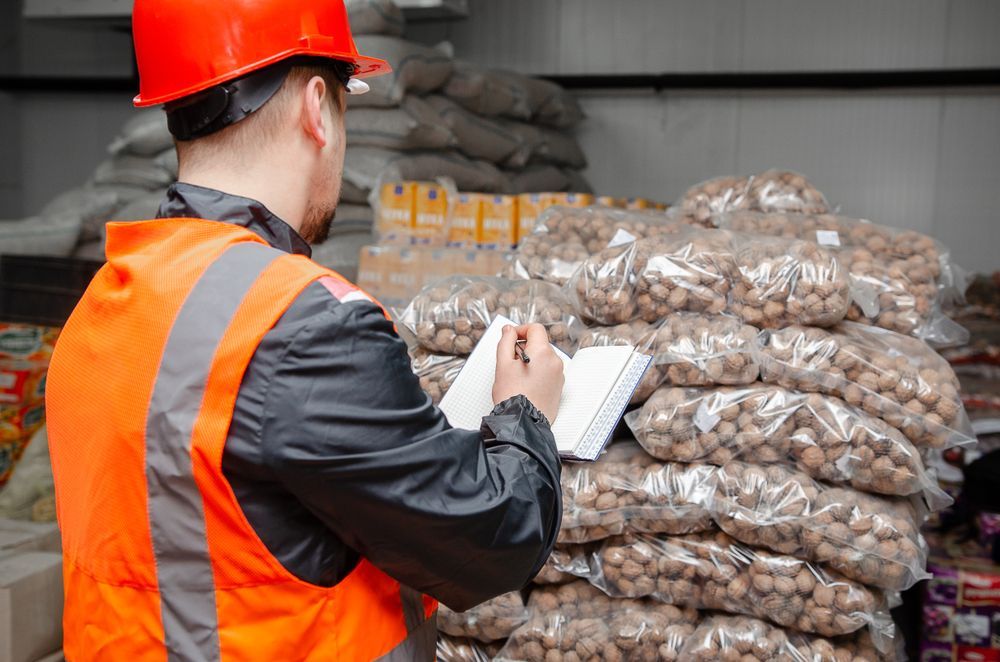
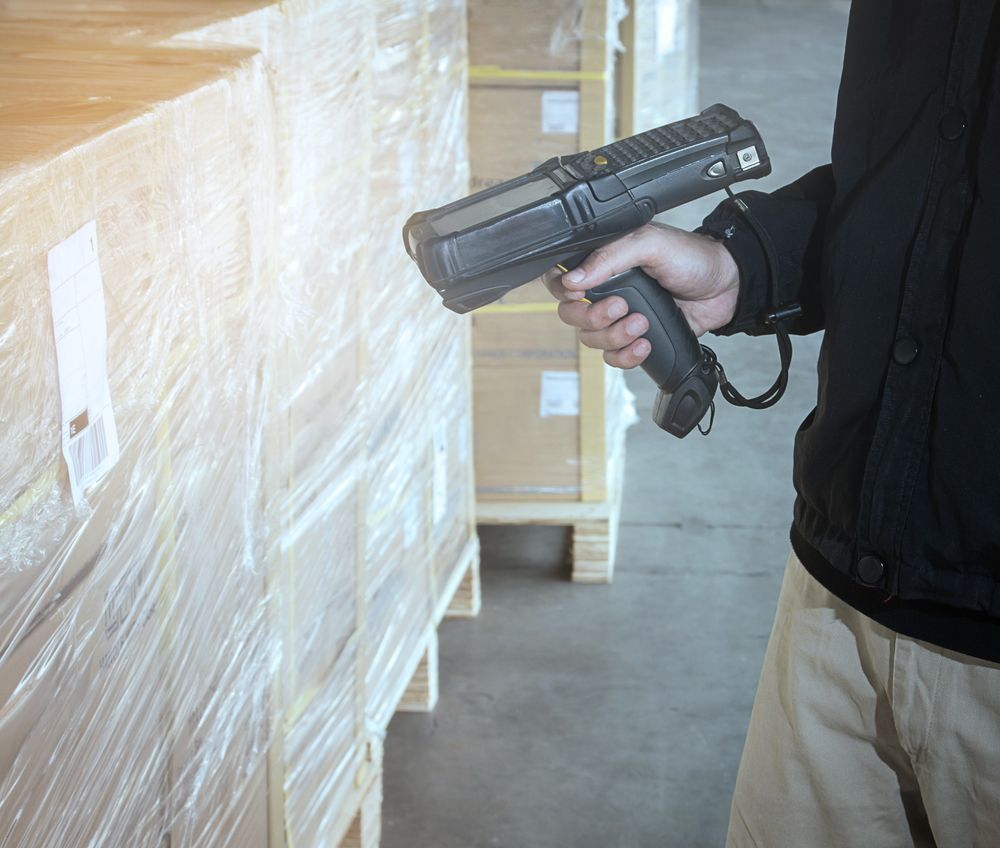
FSMA 204 establishes recordkeeping expectations for businesses that manufacture, process, pack, or hold foods on the Food Traceability List. The rule is designed to strengthen product traceability by documenting key events throughout the supply chain, making it easier to identify affected products during a food safety investigation or recall. These records are tied to specific Critical Tracking Events (CTEs) and Key Data Elements (KDEs) that document a product’s movement through the supply chain.
Rather than treating compliance as a one-time project, food producers benefit from building consistent documentation practices into everyday operations.
Strong recordkeeping across production, storage, transportation, and distribution creates a clearer picture of a product's movement and helps businesses respond more efficiently when records need to be reviewed by regulators or supply chain partners.
Products Covered by the Food Traceability List
Not every food falls under the Food Traceability List, so the first step is determining if any products handled by the business are included. The list focuses on foods that have been identified as needing additional traceability records because of their food safety risk.
Common examples include:
- Soft cheeses
- Leafy greens
- Fresh-cut fruits and vegetables
- Tomatoes and peppers
- Shell eggs
- Nut butters
- Certain seafood
If covered products are part of daily operations, businesses should identify where traceability records are created, updated, and shared. Establishing consistent documentation from the beginning helps reduce gaps as products move through the supply chain.
Building Traceability Into Daily Operations
Traceability becomes more manageable when recordkeeping is part of everyday workflows rather than a separate administrative task. Recording key data at each stage of production, storage, and distribution creates a consistent process that is easier to maintain over time. Businesses should also establish procedures for assigning and maintaining Traceability Lot Codes (TLCs) when required, creating a consistent way to identify covered products throughout their movement.
Businesses should also review how their procedures align with
shipping temperature-sensitive products, since transportation conditions and documentation both contribute to product visibility throughout the supply chain.
Regular employee training, standardized record formats, and routine process reviews help keep information accurate and accessible across departments and external transportation partners. Small improvements made consistently can strengthen traceability while reducing confusion when records need to be retrieved quickly.
Recordkeeping Across the Supply Chain
Effective traceability depends on complete records at every point where a product changes hands. Manufacturers, processors, warehouses, carriers, and receivers all contribute information that creates a continuous history of a product's movement.
Strong coordination between each participant helps reduce documentation gaps and keeps records consistent from origin to destination. This is especially important in
food and beverage transportation, where products often move through multiple facilities before reaching their final location.
When each link in the supply chain follows standardized recordkeeping practices, businesses are better positioned to retrieve accurate information during recalls, audits, or routine regulatory reviews.
Reducing Compliance Risks During Food Recalls
When a food recall occurs, the ability to locate and trace affected products quickly can help limit disruption across the supply chain. Incomplete or inconsistent records may slow response efforts, creating unnecessary delays while information is gathered and verified. Maintaining organized documentation before an incident occurs strengthens recall readiness and helps businesses respond with greater confidence. Consider reviewing these areas regularly:
- Confirm traceability records are complete and up to date.
- Standardize documentation across facilities and partners.
- Verify records can be retrieved promptly when requested.
- Review internal recall procedures and communication processes.
These routine practices help reduce compliance risks while supporting a more organized response when recalls occur.
Transportation's Role in Traceability Compliance

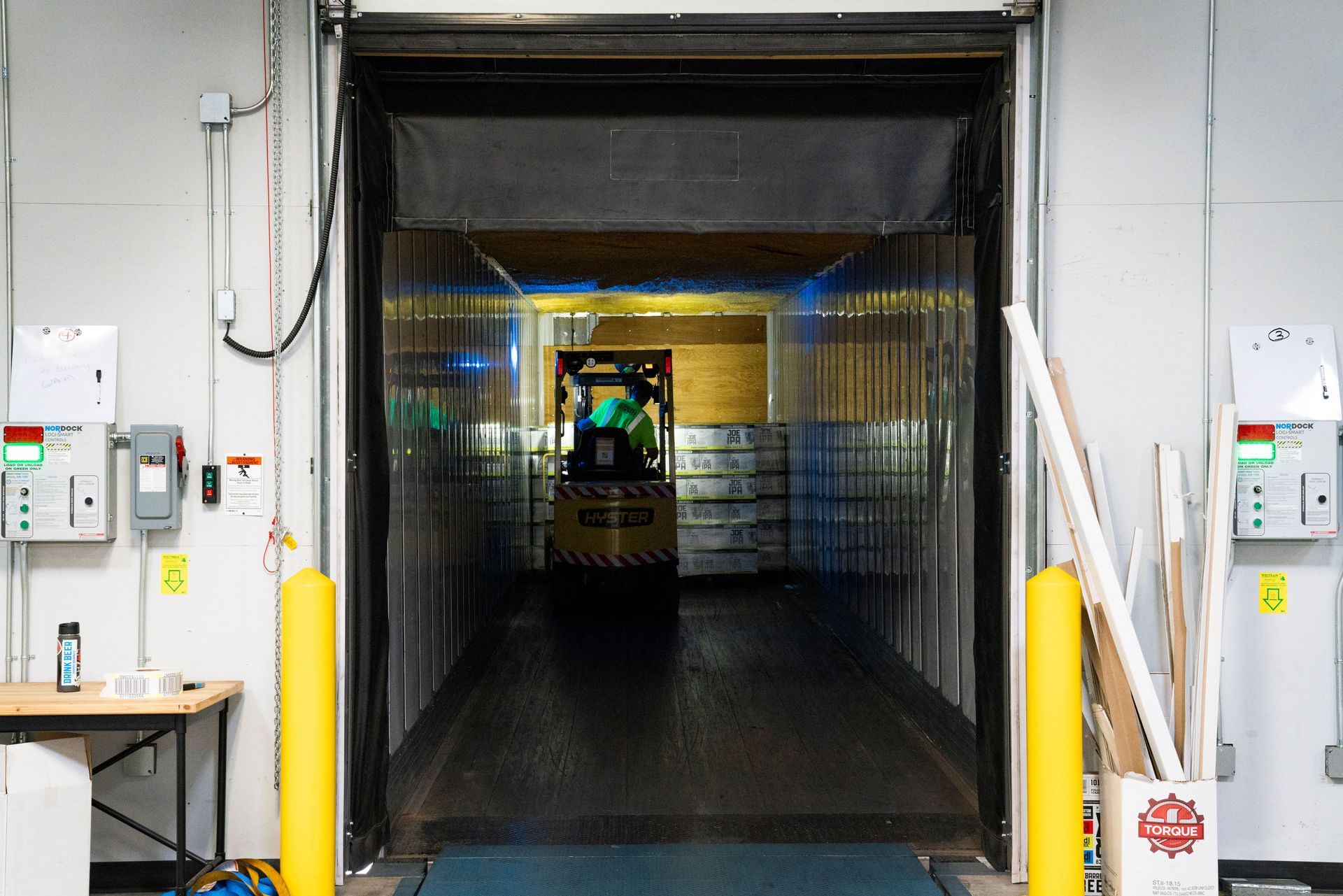
Transportation is an important link in maintaining accurate traceability records after products leave a facility. Shipping documentation, temperature records, and chain of custody all contribute to a complete history of a product's movement.
Businesses that rely on
frozen and refrigerated truck delivery services should work with transportation partners that maintain consistent documentation and communicate shipment status throughout transit. The same attention applies to
reefer trucking for frozen foods, where temperature-controlled equipment and accurate recordkeeping help preserve product integrity while creating a reliable trail of information.
Coordinated transportation practices strengthen traceability from pickup through final delivery across every stage of the journey.
Preparing for Audits and Regulatory Reviews
Routine preparation can make audits and regulatory reviews more organized and less disruptive to daily operations. Businesses should be able to retrieve traceability records promptly and demonstrate that documentation remains consistent throughout the supply chain. Regular internal reviews can help identify missing information, outdated procedures, or inconsistencies before they become larger concerns. Consider keeping the following items readily available:
- Current traceability records for covered products
- Standard operating procedures for recordkeeping
- Documentation of employee training and internal reviews
- Transportation and receiving records tied to product movement
Maintaining organized records throughout the year creates a stronger foundation for regulatory reviews and ongoing compliance efforts.
Creating a Practical Compliance Plan
Building a practical compliance plan starts with identifying the products and processes that fall within traceability requirements, then documenting how information moves from production through final delivery. From there, businesses can standardize recordkeeping practices, review transportation procedures, and periodically evaluate records for accuracy and completeness. Maintaining a written traceability plan can also help keep these processes organized and consistently applied.
Taking a proactive approach helps create a more consistent process while reducing the likelihood of documentation gaps over time.
Assess Your Traceability Readiness Today
Strong traceability begins with consistent recordkeeping, clear communication, and dependable transportation practices that support product visibility throughout the supply chain. As traceability requirements continue to shape food operations, taking time to evaluate current processes can help identify opportunities for stronger coordination and long-term compliance.
If your business is looking for a transportation partner that understands cold chain logistics and traceability,
K2 Transportation Services is here to help.
Contact us for a free, non-binding quote to discuss your transportation needs.