Smart Fuel Surcharge Strategies for Cold Chain Shippers
Share this article:
Fuel costs can change quickly, especially across long-haul and regional lanes. In cold chain shipping, those changes carry extra weight because refrigeration adds another layer of consumption on top of standard transit. A small rate adjustment can quickly affect margins once shipments are underway. That gap between planned and actual costs can strain budgets. Bringing more consistency to fuel surcharges starts with a clearer understanding of how they are structured and how they can be managed through more deliberate planning.
Understanding Fuel Surcharges in Cold Chain Shipping
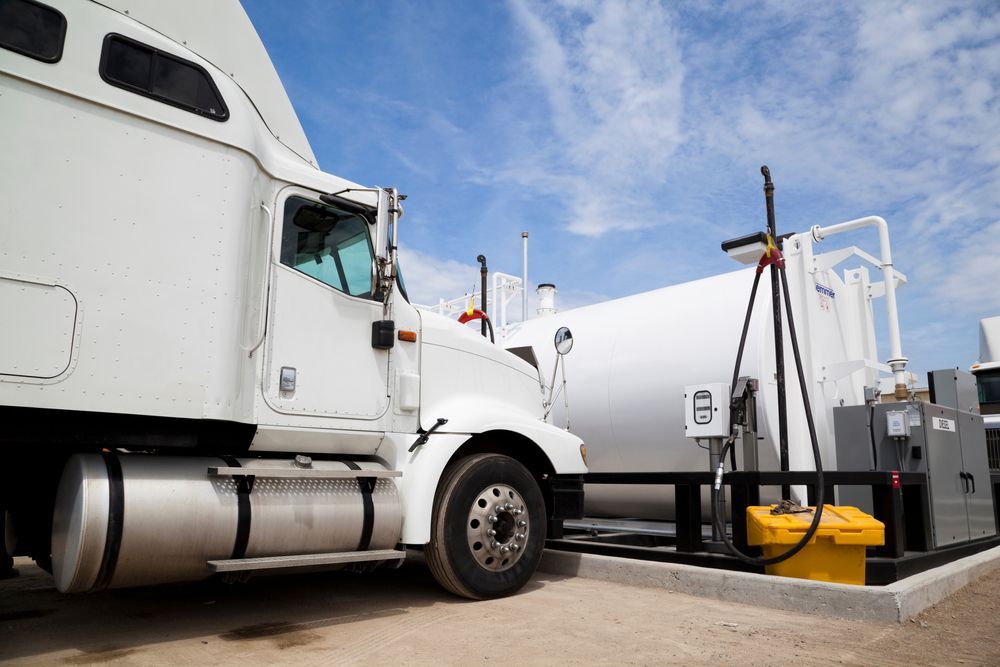
Fuel surcharges are built into freight pricing to account for fluctuations in fuel costs over time. In cold chain shipping, these adjustments matter more because refrigerated trailers rely on continuous fuel consumption beyond standard transit. As a result, pricing becomes more sensitive to market changes.
For many shippers, understanding a fuel surcharge starts with recognizing how base rates and fuel costs are separated. A
freight broker or logistics partner typically tracks national fuel indices and applies adjustments based on current rates.
This structure creates a more consistent framework for managing shifting fuel expenses across different lanes and shipment types, while accounting for seasonal demand cycles, regional fuel price differences, and changing transportation capacity across the market.
Why Fuel Costs Impact Cold Chain Shipping Rates
Fuel plays a larger role in cold chain shipping than in standard freight because of the extra energy needed to maintain consistent temperatures. Refrigeration units run throughout transit, increasing total fuel consumption beyond what is used to move the trailer. As fuel prices change, that added demand directly shapes rate structures and cost predictability.
Longer routes, idling during loading, and traffic delays can further increase fuel usage. Over time, these factors add up and create more variability in pricing.
For shippers, this link between fuel usage and operating conditions shapes how transportation costs move across different lanes and delivery schedules, especially during peak seasons and periods of rising fuel market volatility. These swings affect budgeting accuracy and long-term freight planning decisions.
How Are Refrigerated Freight Fuel Surcharges Calculated?
Fuel surcharges are typically based on changes in diesel prices and are added to the base transportation rate to help account for fuel cost fluctuations. Many carriers use a published fuel-price benchmark, such as the U.S. Energy Information Administration’s weekly diesel price data, to determine surcharge adjustments.
The exact formula can vary by carrier and shipping agreement. Common factors include the current diesel price, an established base fuel price, shipment mileage, and the carrier’s surcharge schedule. As fuel prices rise or fall, the surcharge may change accordingly.
For refrigerated freight, fuel costs can be especially important because temperature-controlled equipment requires additional energy to keep products within the proper temperature range. That makes route efficiency, idle time, detention, and refrigeration runtime important considerations when managing overall transportation costs.
Working with an experienced transportation partner can help shippers understand how fuel surcharges are applied, compare rate structures, and plan for changing costs more effectively.
6 Ways to Reduce Cold Chain Fuel Costs
Managing fuel-related charges can be complex, especially when costs change faster than planning cycles can adjust. For many shippers, the issue is less about the surcharge itself and more about how unpredictable it can become across different shipments.
Route optimization.
Shorter, more direct routes help reduce total fuel consumption and limit unnecessary mileage.
Load consolidation.
Combining compatible shipments can reduce partially filled trailers and improve overall efficiency.
Consistent scheduling.
Reducing wait times and detention helps limit idling, which directly impacts fuel usage.
Carrier alignment.
Working with carriers that follow structured fuel programs helps create more predictable cost patterns over time.
Equipment efficiency.
Well-maintained refrigeration units and trailers tend to use fuel more consistently across shipments.
Minimized empty miles.
Reducing deadhead miles helps control fuel spend and keeps overall transportation costs more stable.
Together, these adjustments help build a more stable and predictable cost structure across ongoing operations.
How Smart Planning Reduces Fuel Volatility
Fuel volatility often feels unpredictable, but thoughtful planning can create more stability. Careful scheduling, aligned routing, and consistent shipment patterns help limit exposure to sudden cost swings over time.
When freight moves through well-established lanes, it becomes easier to anticipate fuel usage and related expenses. Planning also helps cut down on delays, which can increase idle time and fuel consumption.
Over time, these efforts build a more balanced cost structure. Instead of reacting to market shifts as they occur, a structured approach to planning helps bring greater consistency to fuel-related expenses across different shipments and operating conditions.
How the Right Carrier Helps Control Fuel Costs
Carrier selection has a meaningful impact on how fuel-related costs are managed over time. Well-aligned freight services bring more structure to pricing, especially when fuel adjustment programs are clearly defined and consistently applied.
Carriers that operate within established lanes and maintain efficient routing patterns tend to manage fuel consumption more steadily. Clear communication around rate adjustments also helps reduce uncertainty.
Taken together, these elements create a more predictable cost environment. Working with the right carrier helps align day-to-day operations with fuel cost expectations, leading to fewer surprises and more consistent transportation outcomes across varying shipment volumes and seasonal demand shifts, which strengthens long-term cost control and planning consistency.
Take Control of Fuel Surcharge Costs Today

Fuel costs will continue to change, but a structured approach can bring greater consistency over time.
K2 Transportation Services works with shippers to manage fuel surcharges through aligned planning, steady communication, and a well-coordinated carrier relationship built around consistent operating practices. By focusing on efficient routing, consistent shipment patterns, and clear pricing structures, fuel-related variability becomes easier to handle across different lanes and volumes. This approach helps create more predictable outcomes and supports long-term cost control across ongoing shipping operations.
For teams aiming to bring more stability to their transportation strategy, K2 Transportation Services offers a practical next step. Contact us for a free, non-binding quote and start building a more consistent and well-planned approach to managing fuel-related costs.