How Frozen LTL Shipping Works for Food Shippers
Share this article:
LTL frozen shipping combines smaller frozen food shipments with compatible freight moving in the same direction while maintaining temperature-controlled conditions throughout transit. Instead of paying for an entire refrigerated trailer, food shippers share trailer space, making it a practical choice for recurring orders that do not fill a full truckload.
Understanding the pickup-to-delivery process, temperature management, and shipment handling helps determine when frozen LTL is the right fit.
When Smaller Frozen Shipments Make Sense
Not every frozen shipment needs a dedicated refrigerated trailer. When orders move in smaller quantities regularly, frozen and refrigerated LTL trucking can be a practical option because multiple compatible shipments share trailer space while remaining within the appropriate temperature range.
This approach often works well for food manufacturers and distributors shipping to retailers, foodservice locations, or regional warehouses. It is generally a strong fit when shipments do not justify a full truckload, delivery schedules have some flexibility, and recurring lanes allow freight to move efficiently through a refrigerated network.
The Pickup-to-Delivery Process
A reliable
frozen LTL carrier should explain how freight moves from pickup through final delivery. Understanding each step helps set clear expectations before the shipment leaves the dock.
Pre-Cooled Trailer and Dock Handoff
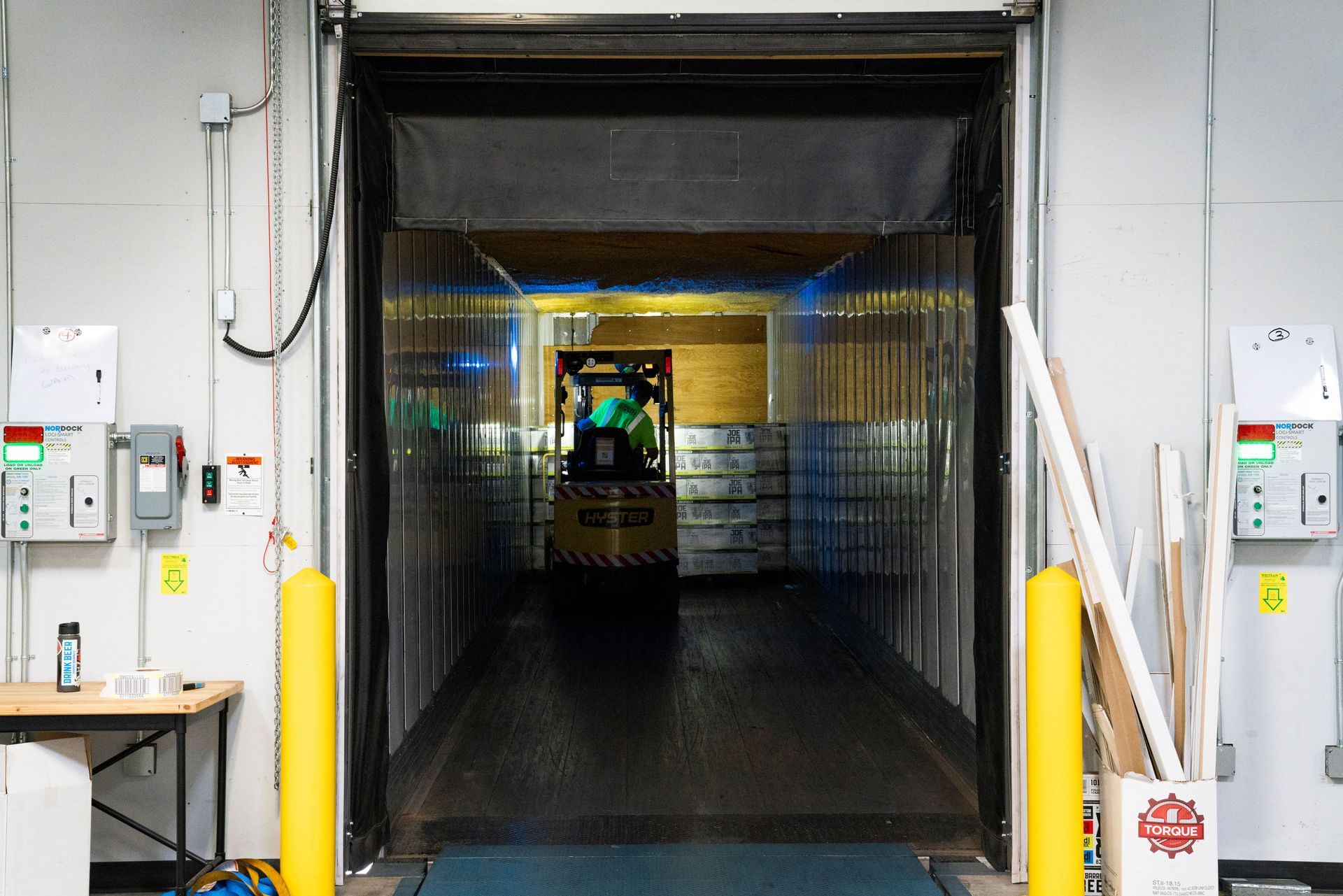
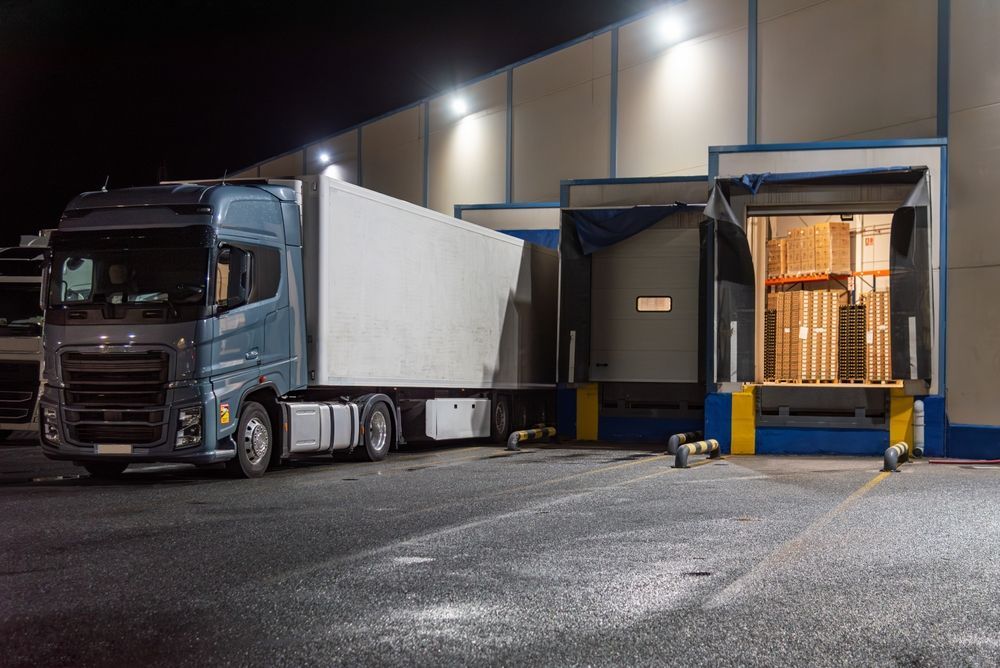
The process begins before the trailer arrives at the dock. Frozen products should already be at the correct shipping temperature, while the refrigerated trailer is prepared for the shipment before loading begins. During loading, shipment details and handling instructions are confirmed before the trailer leaves the facility. Limiting the time freight spends on the dock helps maintain consistent conditions from the first handoff through the start of transit. Freight should also be securely packaged and wrapped so it can withstand normal handling within a shared refrigerated trailer.
Consolidation With Compatible Food Freight
After pickup, smaller shipments are grouped with compatible frozen food moving in the same direction. Compatibility involves more than temperature alone. Product type, packaging, handling requirements, and delivery schedules are also considered when building a shared refrigerated load. Careful planning helps freight move efficiently while reducing unnecessary handling and avoiding conflicts between different food products.
Linehaul, Cross-Dock, and Final Delivery
Once the load is consolidated, it moves on the linehaul portion of the trip toward the destination region. Depending on the lane, shipments may pass through a planned cross-dock, where freight is transferred for final delivery while remaining within controlled handling procedures. From there, the shipment continues to the receiver according to the scheduled delivery appointment. Clear coordination throughout each stage helps keep frozen freight moving as planned.
Temperature Control From Dock to Receiver
Maintaining consistent temperatures depends on more than refrigerated equipment. Product requirements, shipment visibility, and clear response procedures all help protect frozen freight throughout transit.
Frozen, Chilled, and Ambient Requirements
Not every temperature-controlled shipment moves under the same conditions. Frozen, chilled, and ambient products each have different shipping requirements based on the product and customer expectations. Before pickup, confirm the exact shipping temperature or set point, handling instructions, and any receiver specifications. Using the correct temperature range for each product helps prevent handling issues and keeps shipments aligned with their transportation requirements throughout transit.
Consolidation With Compatible Food Freight
Location updates and temperature monitoring each play a different role during transit. GPS shows where a shipment is, while temperature monitoring helps verify shipping conditions. Many refrigerated shipments also use digital temperature logging to document conditions throughout transit, creating a record that can be reviewed if questions arise after delivery. It is also important to understand how delays, temperature concerns, or other exceptions are communicated, who is responsible for responding, and what steps are taken to address the situation. A defined communication process helps prevent small issues from becoming larger shipping problems.
Food Safety Requirements Shippers Should Know
Food safety starts before a shipment leaves the dock. Transportation partners working in
food and beverage logistics should understand sanitary handling practices, documented shipping instructions, and the temperature requirements associated with frozen food shipments. They should also be familiar with the FDA’s Food Safety Modernization Act (FSMA) Sanitary Transportation of Human and Animal Food Rule, which establishes sanitary transportation requirements for covered food shipments.
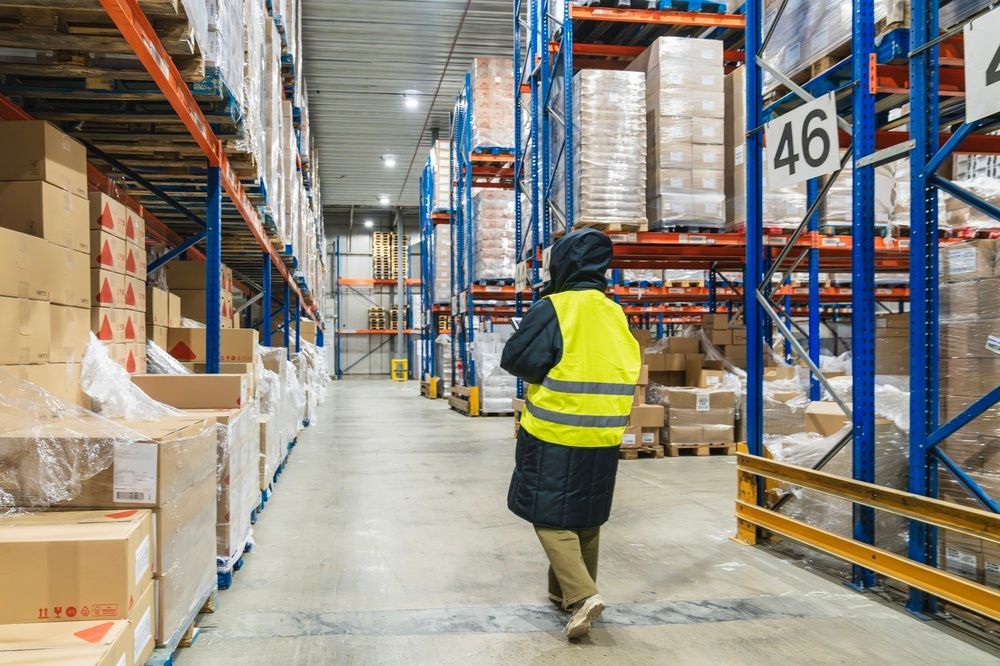
Food safety is a shared responsibility among shippers, loaders, carriers, and receivers. Shippers should communicate product handling instructions, temperature requirements, and any special receiving expectations before pickup. Keeping shipment records available and following documented handling procedures throughout transit also helps maintain consistent cold chain practices from origin to destination.
What Drives Cost on Smaller Frozen Loads
The cost of a smaller frozen shipment depends on more than trailer space. Several shipment details influence pricing because they affect routing, scheduling, handling, and refrigerated capacity. Providing complete shipment information when requesting a quote can also help produce a more accurate estimate.
- Shipment weight and pallet dimensions, which affect trailer space
- Pickup and delivery locations, including lane availability
- Delivery appointments or special handling requests
- Shipping schedule and transit expectations
- Seasonal capacity that can affect refrigerated equipment availability
- Accessorial services, such as liftgate or limited-access deliveries
Frozen LTL vs FTL for Food Orders
The right shipping method depends on shipment size, delivery timing, and handling needs. Frozen LTL is often a practical choice for smaller recurring orders that do not fill a trailer, while FTL may be a better fit for larger shipments or freight moving on tighter schedules.
| Frozen LTL | FTL |
|---|---|
| Shared refrigerated trailer space | Dedicated refrigerated trailer |
| Well-suited for smaller recurring orders | Better suited for larger or time-sensitive shipments |
| Pay for the trailer space used | Pay for the entire trailer |
| May include planned consolidation | Typically involves fewer handling points |
| Scheduled network service | More direct routing based on the shipment |
Common Failure Points in Cold Food Freight
Many frozen shipments arrive as planned, but small issues during preparation or transit can create larger problems. Knowing where disruptions commonly occur helps food shippers reduce unnecessary risk.
- Product not ready for pickup: Freight should already be at the intended shipping temperature before loading.
- Extended dock time: Leaving pallets outside controlled conditions longer than necessary increases temperature exposure.
- Incompatible freight: Frozen shipments should be consolidated with compatible products that share similar handling and temperature requirements.
- Incomplete shipment information: Missing handling instructions or delivery details can create avoidable delays.
- Poor communication:
Delays, appointment changes, or other exceptions should be shared promptly so everyone involved can respond appropriately.
Get a Free, Non-Binding Cold Freight Quote
Every frozen shipment has different transportation needs, from product requirements and shipment size to delivery schedules and destination. Sharing details such as the required shipping temperature, pallet dimensions, shipment weight, pickup and delivery locations, and timing helps identify the most suitable transportation option and creates a more accurate quote. K2 Transportation works with food shippers moving frozen and refrigerated freight into and out of the Chicagoland area.
When the next shipment is ready,
contact us for a free, non-binding quote to discuss a transportation plan that fits the shipment.